






ยิ่ิ่งสูง ยิ่งเสี่ยงเป็นโรคหมอนรองกระดูกเคลื่อน


รองเท้าส้นสูงอยู่คู่กับความสวยของผู้หญิงมาอย่างยาวนาน แต่คุณรู้หรือไม่ ในความสวยย่อมแฝงด้วยภัยร้ายที่ซ่อนอยู่ เพราะเมื่อต้องเขย่งอยู่บนส้นที่สูงเดินตลอดทั้งวัน คุณกำลังเสี่ยงเกิดโรคต่างๆ ตามมาโดยไม่รู้ตัว
รองเท้าส้นสูงอยู่คู่กับความสวยของผู้หญิงมาอย่างยาวนาน แต่คุณรู้หรือไม่ ในความสวยย่อมแฝงด้วยภัยร้ายที่ซ่อนอยู่ เพราะเมื่อต้องเขย่งอยู่บนส้นที่สูงเดินตลอดทั้งวัน คุณกำลังเสี่ยงเกิดโรคต่างๆ ตามมาโดยไม่รู้ตัว
การสวมใส่รองเท้าส้นสูงทุกวัน ติดต่อกันเป็นเวลานานๆ หลายปี จึงเป็นเหตุที่นำไปสู่การเปลี่ยนแปลงของโครงสร้างกระดูกของผู้สวมใส่ เพราะการยืนหรือเดินบนรองเท้าส้นสูงเปรียบเสมือนเรากำลังยืนบนพื้นที่ลาดเอียง ส่งผลให้กล้ามเนื้อหลังใช้งานหนักผิดปกติ จนเกิดการอ่อนล้าปวดเกร็งที่หลัง เนื่องจากแกนของกระดูกสันหลังและแผ่นหลังจะโน้มไปข้างหน้า เพื่อให้ร่างกายตั้งตรงและทรงตัวได้ ทำให้กระดูกบริเวณบั้นเอวรับน้ำหนักมากขึ้น เมื่อสะสมเป็นเวลานานๆ อาจนำไปสู่อาการปวดเรื้อรัง หรือเป็นหมอนรองกระดูกเคลื่อนกดทับเส้นประสาทได้ ทำให้ผู้ป่วยมีอาการปวดหลังอย่างรุนแรง บางรายอาจเกิดอาการชา และลามขึ้นไปถึงบริเวณต้นคอได้
ภัยร้ายจากรองเท้าส้นสูง
ความสูงนอกจากจะเพิ่มอันตรายจากการลื่นล้มแล้ว ระดับความสูงที่เพิ่มขึ้น ยิ่งทำให้ร่างกายต้องแบกรับน้ำหนักตัวมากขึ้นตามไปด้วย ดังนี้
- ส้นสูง 1 นิ้ว ทำให้ปลายเท้ารับน้ำหนักเพิ่มขึ้น 22%
- ส้นสูง 2 นิ้ว ทำให้ปลายเท้ารับน้ำหนักเพิ่มขึ้น 57%
- ส้นสูง 3 นิ้ว ทำให้ปลายเท้ารับน้ำหนักเพิ่มขึ้น 76%
น้ำหนักมากยิ่งเสี่ยงมาก
เมื่อโครงสร้างของแนวหมอนรองกระดูกเกิดภาวะผิดสมดุล หรือเคลื่อนจากตำแหน่งเดิม สาเหตุมาจากการสวมใส่รองเท้าส้นสูงเป็นประจำ ส่งผลให้
– กล้ามเนื้อหลังเกิดอาการบาดเจ็บและอักเสบได้
– ทำให้เกิดอาการชา และอ่อนแรงจากหมอนรองกระดูกเคลื่อนไปกดทับเส้นประสาท
– เกิดการเคลื่อนไหวร่างกายที่ผิดปกติมีปัญหาด้านการยืนหรือเดิน
ถ้าจะให้สาวๆ เลิกใส่รองเท้าส้นสูงคงเป็นเรื่องยาก แต่การลดปัจจัยเสี่ยงและดูแลความแข็งแรงของกล้ามเนื้อหลัง จึงเป็นทางออกที่จะช่วยลดความเสี่ยงของการเป็นโรคหมอนรองกระดูกเคลื่อนได้อย่างมีประสิทธิภาพ
แนวทางการป้องกัน
-
เลือกรองเท้าหน้ากว้าง เพิ่มความสบายและรองรับน้ำหนักอย่างสมดุล
-
การควบคุมน้ำหนัก น้ำหนักที่มากเกินไปจะเพิ่มแรงกดทับบริเวณกระดูกสันหลังได้
-
ฝึกบริหารกล้ามเนื้อหลัง กล้ามเนื้อแกนกลาง (Core Muscle Exercise) เพื่อเสริมสร้างความแข็งแรงให้กับช่วงลำตัวและกล้ามเนื้อหลัง
-
หากเลี่ยงไม่ได้ควรวอร์มกล้ามเนื้อขาและเท้า ด้วยการยืดขาให้ตึงก่อนสวมใส่รองเท้าส้นสูงและถอดออกเพื่อพักเท้าบ้าง หรือหมั่นนวดเท้าเพื่อกระตุ้นการไหลเวียนของเลือด
ข้อควรระวัง
-
ไม่สวมรองเท้าส้นสูงหรือส้นเข็มที่มีความสูงเกินกว่า 2 นิ้ว เพื่อลดแรงกดที่จะกระทำกับแนวกระดูกสันหลัง
-
หลีกเลี่ยงการสวมใส่รองเท้าส้นสูงเป็นเวลานาน เพราะจะทำให้เกิดแรงกดที่ข้อเท้า แรงกระแทกภายในหัวเข่า ซึ่งอาจทำให้ข้อเสื่อมตามมา
แนวทางการรักษา
-
การใช้ยาต่างๆ ขึ้นอยู่กับชนิดของอาการปวดหลัง ตามคำแนะนำของแพทย์
-
กายภาพบำบัดและการออกกำลังกาย เพื่อเพิ่มความยืดหยุ่นและสร้างความแข็งแรงของกล้ามเนื้อหลังและหน้าท้อง
-
การผ่าตัด
หากมีอาการปวดหลังอย่างต่อเนื่อง ชาลงบริเวณขา ปวดร้าวลงสะโพก ชาที่ปลายเท้า เดินนานยืนนานไม่ได้ ปวดเรื้อรังมากว่า 1-2 สัปดาห์ หรือเริ่มมีอาการกล้ามเนื้ออ่อนแรง กลั้นปัสสาวะ อุจจาระไม่ได้ อาการเหล่านี้เป็นสัญญาณเกี่ยวกับปัญหาทางระบบประสาทแพทย์จะประเมินอาการและทำการรักษาด้วยวิธีการผ่าตัด
ดังนั้นเมื่อมีอาการอย่ามองข้ามหรือละเลย ให้รีบทำการรักษาเสียแต่เนิ่นๆ เพราะความทนต่อความเจ็บปวดของแต่ละบุคคลบางครั้งไม่เท่ากัน หากอาการปวดมีมาก หรือสงสัยว่ามีการกดทับเส้นประสาทไขสันหลัง ให้รีบพบแพทย์เพื่อทำการรักษาโดยด่วน
แผลเล็ก เสียเลือดน้อย
ไม่ต้องผ่าตัดแบบเปิดใช้เข็มขนาดเล็ก 1 มิลลิเมตร เจาะเข้าสู่บริเวณที่มีปัญหาทำให้แผลมีขนาดเล็กมาก เสียเลือดน้อย
 02-034-0808
Read More
 Share
Share

 Copied link to clipboard
Related Services
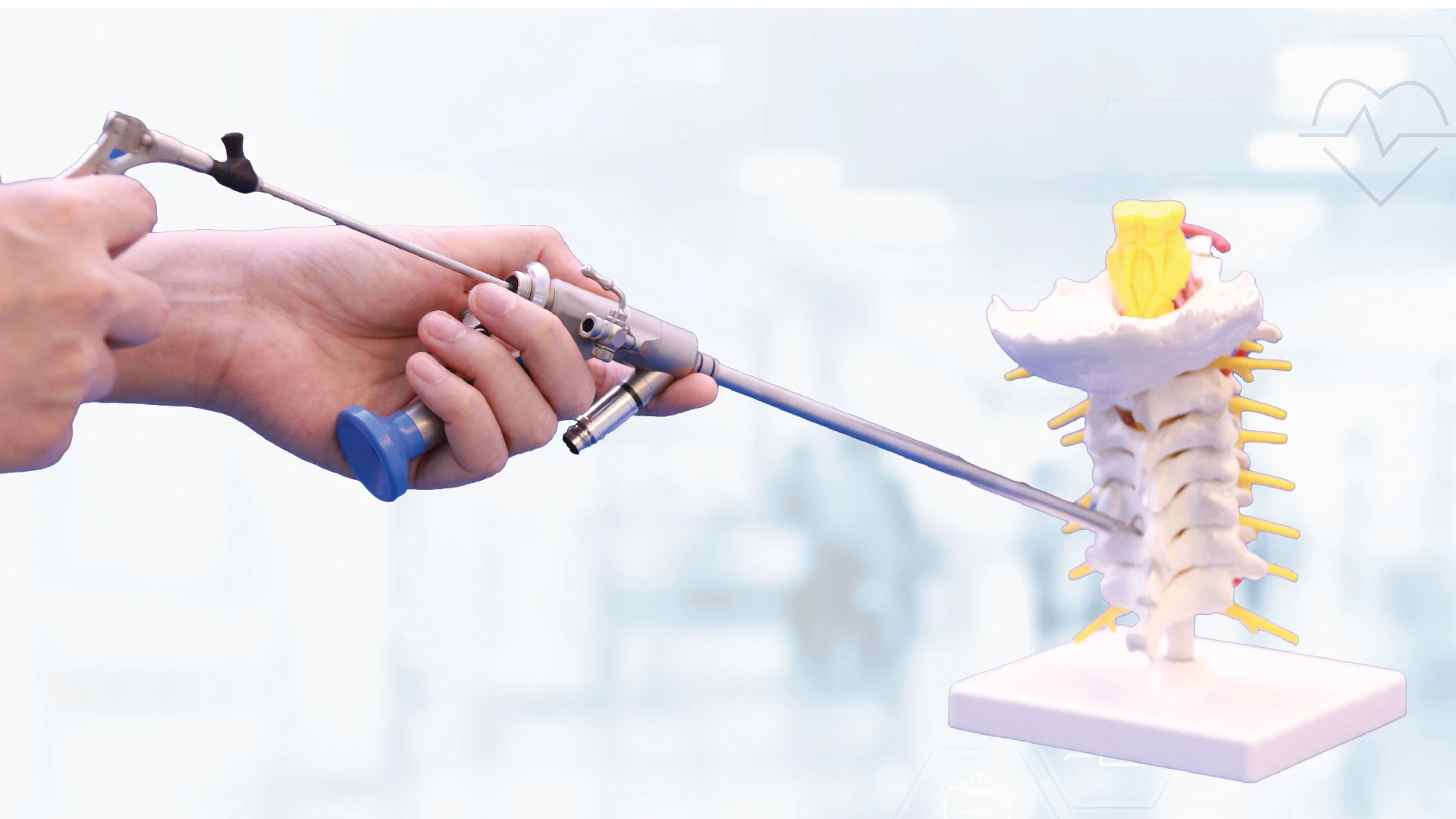
Posterior Cervical Endoscopic Discectomy (PSCD)
Read More
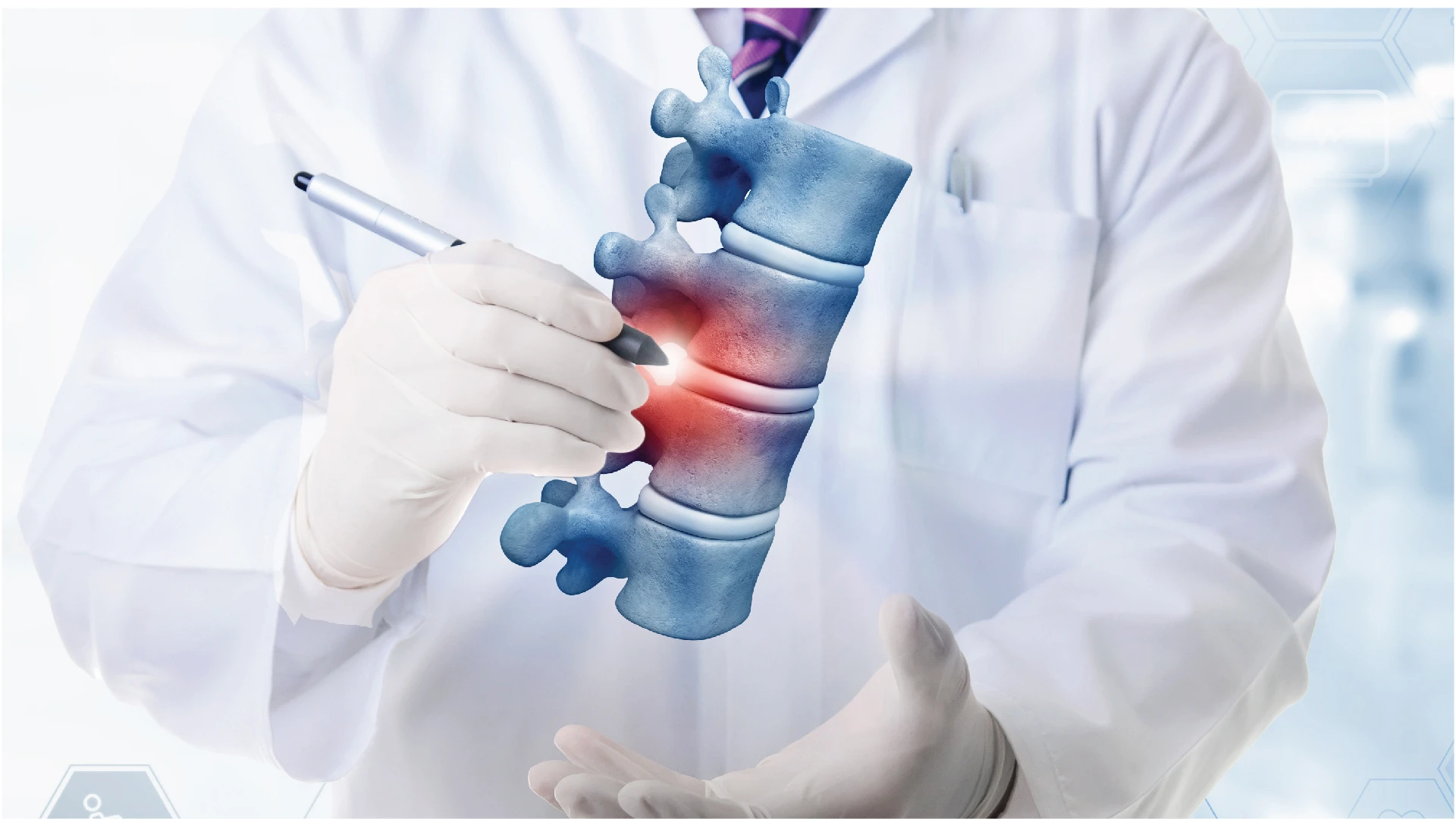
Percutaneous Stenoscopic Lumbar Decompression (PSLD)
Read More
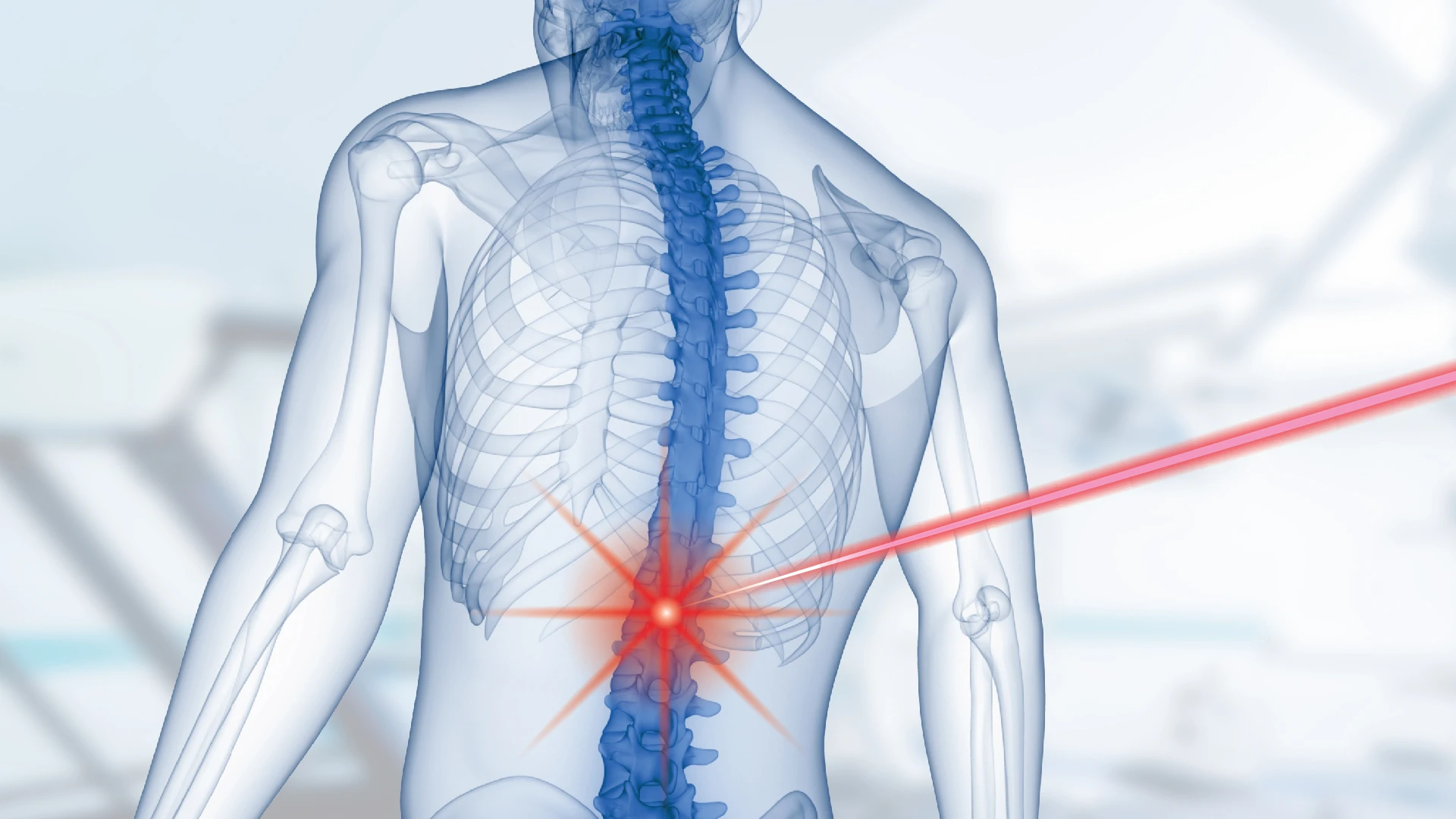
Percutaneous Laser Disc Decompression
Read More
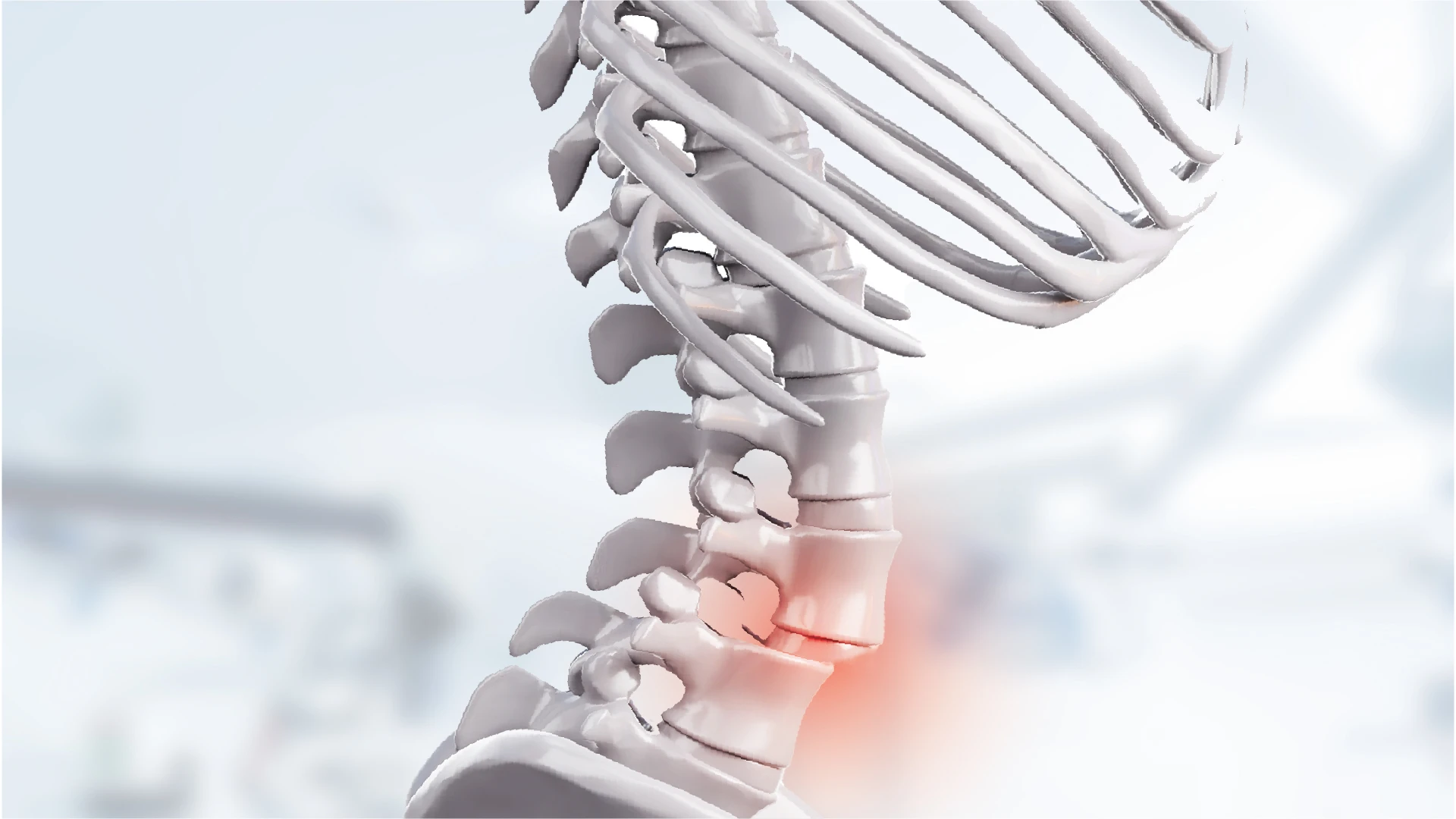
Full Endoscopic Transforaminal Lumbar Interbody Fusion (Full Endo TLIF)
Read More
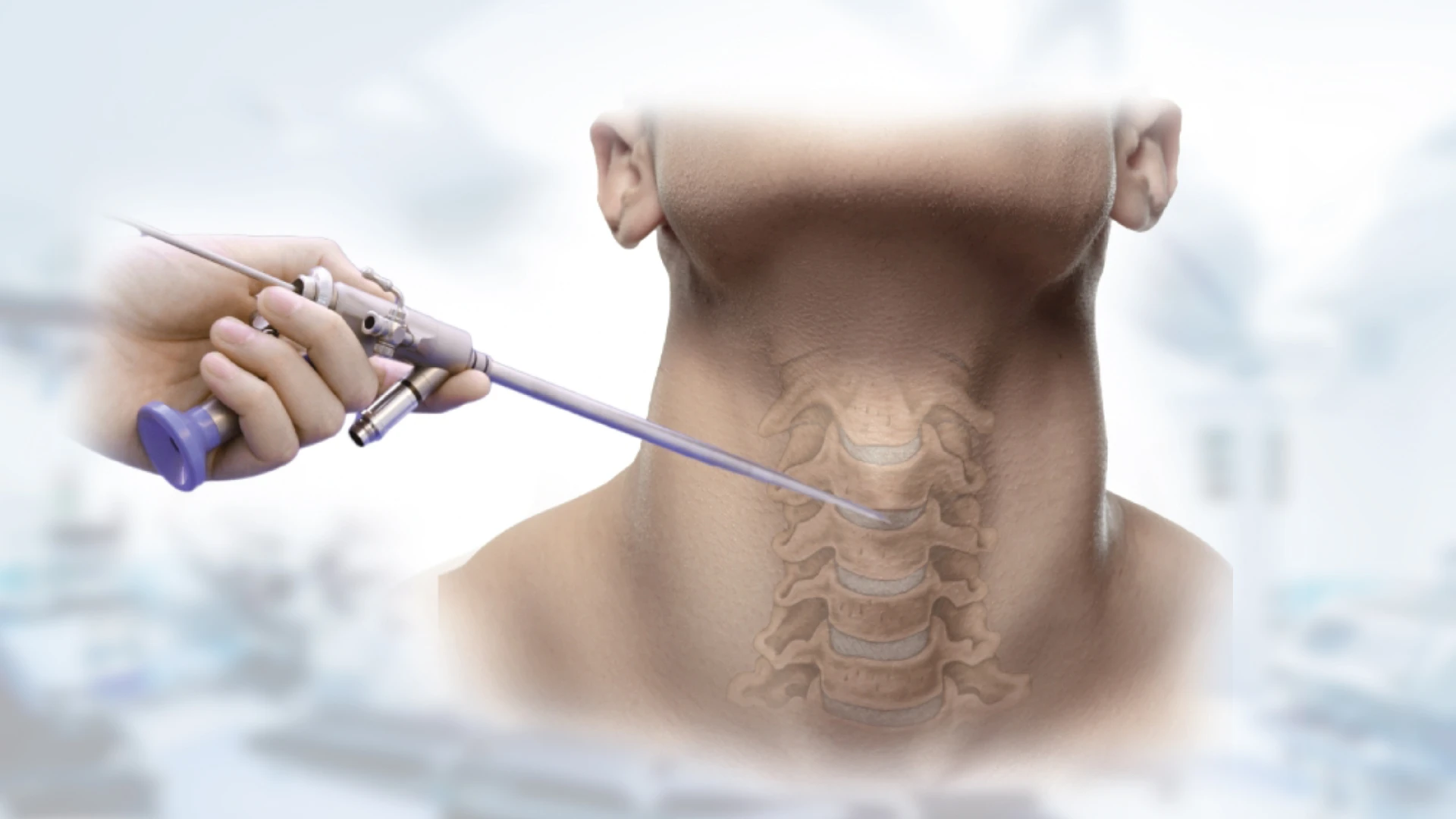
Endoscopic Anterior Cervical Discectomy and Fusion (Endoscopic ACDF)
Read More
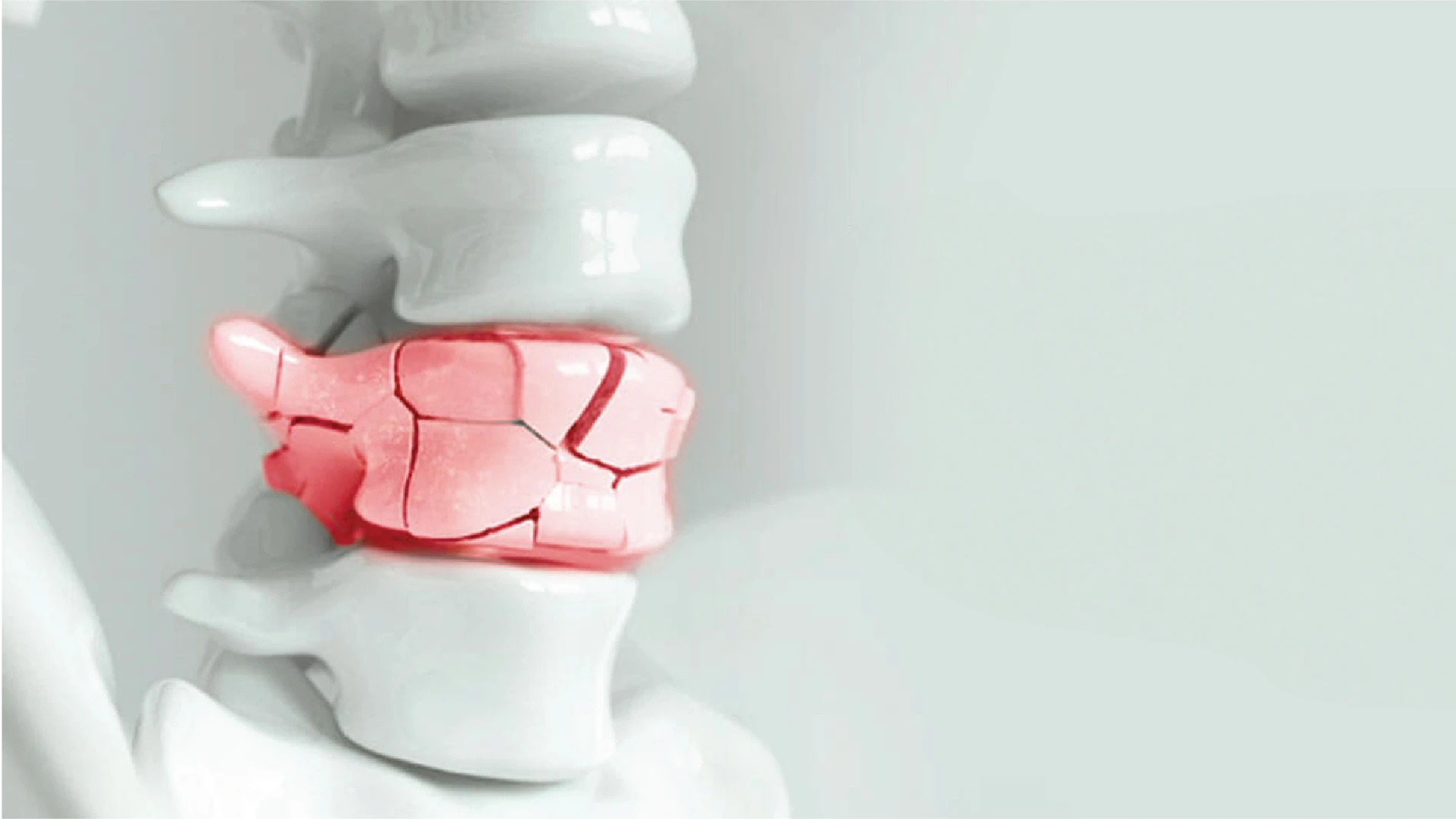
Vertebroplasty (Cement Injection)
Read More
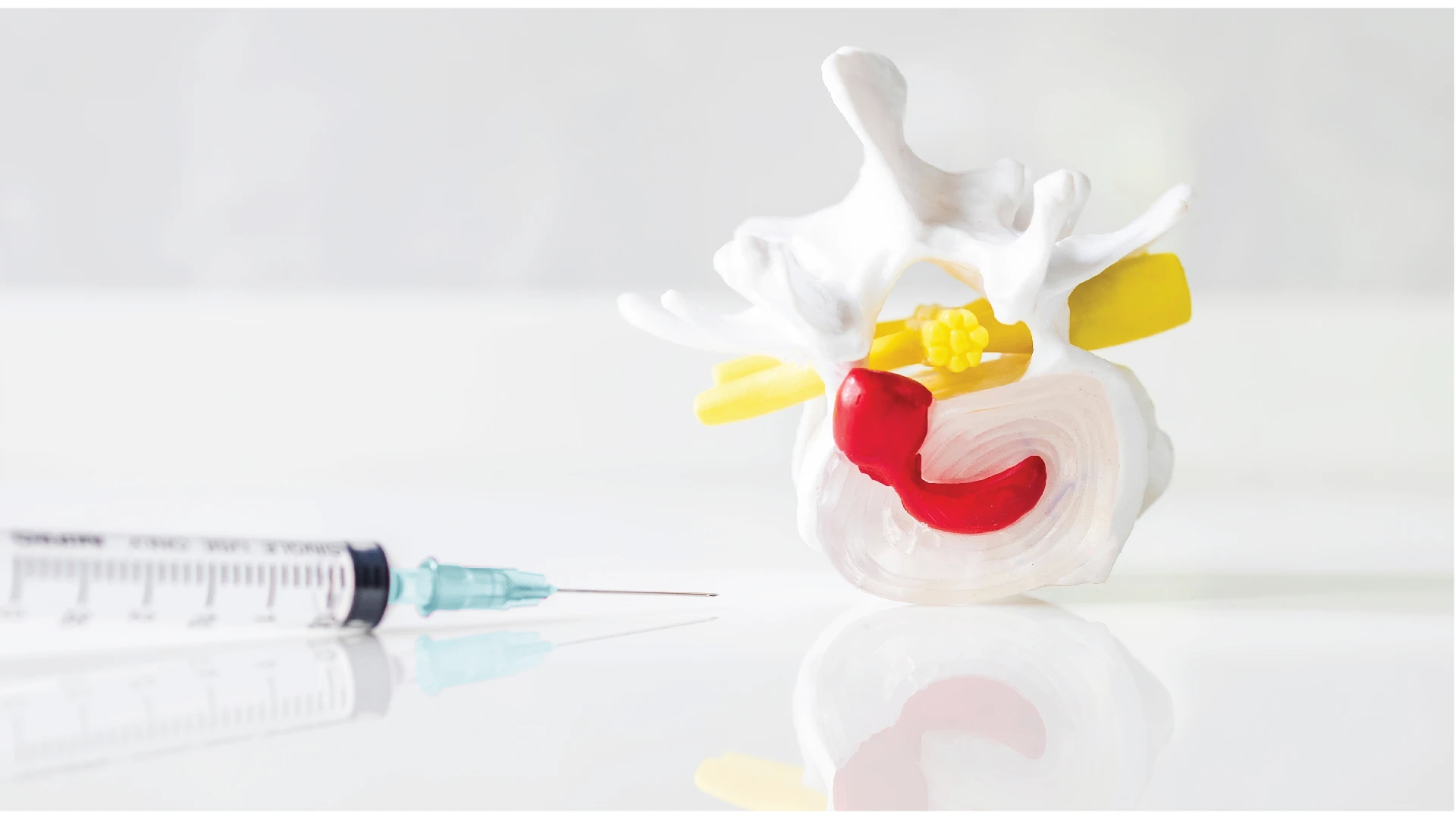
Selective Nerve Root Block (SNRB)
Read More


No. 2102/9 Ladprao Road, Wang Thonglang Subdistrict, Wang Thonglang District, Bangkok 10310
Call : +66 2-034-0808


Our Services
Quick Menu
Copyright © 2025 S Spine and Joint Hospital. All right reserved