






มาเช็กกระดูกสันหลังกันเถอะ


หลังค่อม คอยื่น นี่ไม่ใช่เรื่องธรรมดา แต่มัน คือ ความผิดปกติของสรีระที่นับวันจะยิ่งมีจำนวนเพิ่มมากขึ้นในโลกปัจจุบัน
หลังค่อม คอยื่น นี่ไม่ใช่เรื่องธรรมดา แต่มัน คือ ความผิดปกติของสรีระที่นับวันจะยิ่งมีจำนวนเพิ่มมากขึ้นในโลกปัจจุบัน
หลังค่อม คอยื่น
คือ สรีระผิดปกติที่พบได้ทุกเพศทุกวัย บางคนอาจหลังค่อม คอยื่น มาตั้งแต่กำเนิด บางรายอาจเริ่มมาพบปัญหา หลังค่อม คอยื่น ในช่วงวัยหนุ่มสาวหรืออาจมาพบปัญหาเมื่อถึงวัยชรา ในบางกรณีอาจร้ายแรงไปถึงเป็นโรคกระดูกสันหลังปลิ้นหรือโรคกระดูกสันหลังเคลื่อน
สาเหตุของปัญหากระดูกสันหลัง
-
พันธุกรรมหรือความผิดปกติแต่กำเนิด
-
โรคทางระบบประสาทหรือกล้ามเนื้อ
-
ท่าทางที่ไม่ถูกต้องในชีวิตประจำวัน
-
ความเสื่อมตามวัย
-
สาเหตุที่ไม่ทราบแน่ชัด (Idiopathic)
อาการเบื้องต้นของกระดูกสันหลังคด
-
ไหล่สองข้างไม่เท่ากัน
-
แผ่นหลังหรือหน้าอกนูนไม่สมมาตร
-
กระดูกสันหลังคดงอเห็นได้ชัด
-
ลำตัวเอียงไปด้านใดด้านหนึ่ง
-
สะโพกสองข้างไม่เท่ากัน
-
มีปัญหาในการเดินหรือขาทั้งสองข้างไม่เท่ากัน
ปัญหาสุขภาพยุคดิจิทัล
-
ออฟฟิศซินโดรม
-
เท็กซ์เน็กซ์ซินโดรม (Text Neck Syndrome)
หากไม่ได้รับการรักษาที่ถูกต้อง อาจนำไปสู่
-
กระดูกสันหลังเสื่อมเร็วขึ้น
-
ไหล่ห่อ หลังค่อม (Kyphosis)
-
คอยื่น (Forward Head Posture)
ผลกระทบต่อสุขภาพ
-
ปวดเมื่อยกล้ามเนื้อหลังและเอว
-
หมอนรองกระดูกผิดปกติ
-
กระดูกสันหลังเสื่อม คด หรือผิดรูป
-
หมอนรองกระดูกปลิ้นหรือกดทับเส้นประสาท
-
อาการปวด ชาร้าว และกล้ามเนื้อขาอ่อนแรง
การตระหนักถึงปัญหาและการดูแลสุขภาพกระดูกสันหลังอย่างถูกวิธีเป็นสิ่งสำคัญในยุคปัจจุบัน หากพบอาการผิดปกติ ควรปรึกษาแพทย์ผู้เชี่ยวชาญเพื่อรับการวินิจฉัยและรักษาอย่างเหมาะสม
กลุ่มอาการคอเสื่อมจากการก้มคอ สาเหตุ การตรวจสอบ และการป้องกัน
ในปัจจุบัน ผู้ที่ชอบก้มหน้าใช้โทรศัพท์มือถือมีความเสี่ยงที่จะเกิดกลุ่มอาการคอเสื่อมจากการก้มคอ ทางการแพทย์เปิดเผยว่า การก้มศีรษะลงไปข้างหน้าเพียงเล็กน้อย ผิดจากท่าปกติตามธรรมชาติ (คือเมื่อหูอยู่ในแนวเดียวกับไหล่) จะทำให้น้ำหนักของศีรษะเพิ่มขึ้น ส่งผลให้กล้ามเนื้อ เอ็น กระดูก และเส้นประสาทบริเวณไหล่และคอต้องรับภาระหนักเพิ่มขึ้น 2-6 เท่า
น้ำหนักที่เพิ่มขึ้นจากการถ่วงไปข้างหน้าจะดึงรั้งกล้ามเนื้อและเส้นเอ็นทั้งหมด ทำให้เกิดอาการตึง หากทำซ้ำบ่อยครั้งอาจเกิดการบาดเจ็บต่อกล้ามเนื้อ เอ็น และเส้นประสาทในบริเวณดังกล่าว
แผลเล็ก เสียเลือดน้อย
ไม่ต้องผ่าตัดแบบเปิดใช้เข็มขนาดเล็ก 1 มิลลิเมตร เจาะเข้าสู่บริเวณที่มีปัญหาทำให้แผลมีขนาดเล็กมาก เสียเลือดน้อย
 02-034-0808
วิธีตรวจสอบความผิดปกติของสรีระด้วยตนเอง
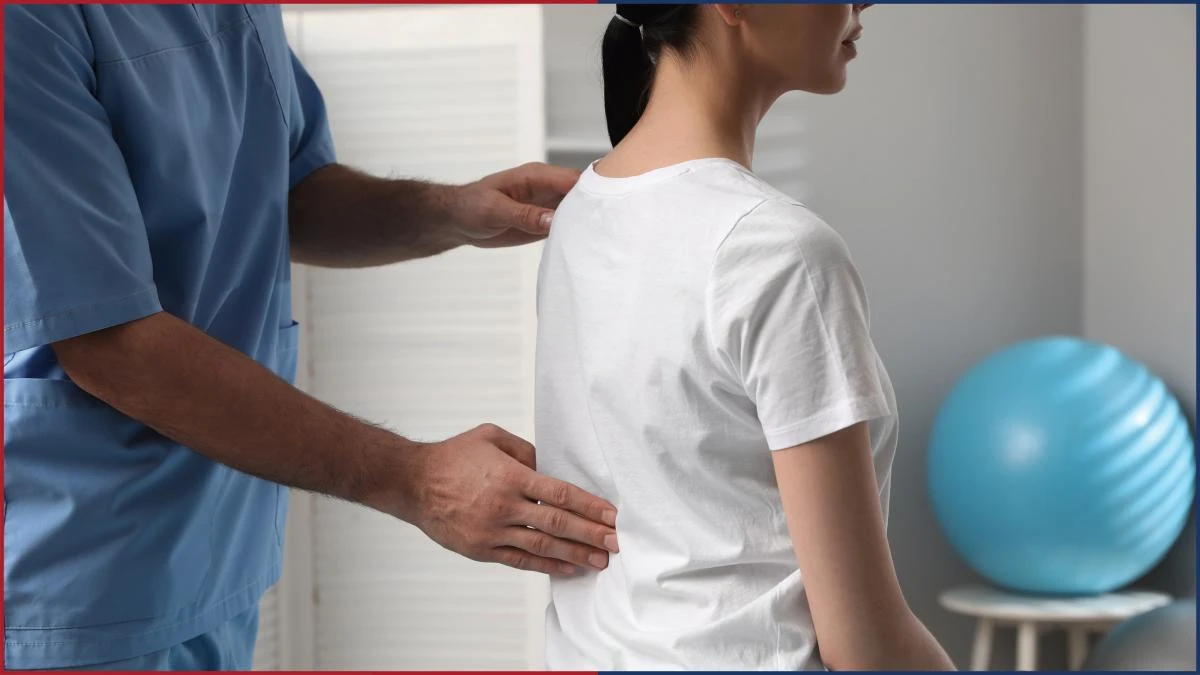
สังเกตความสูงของระดับหัวไหล่ ความนูนของกระดูกสะบัก และระดับแนวกระดูกสะโพก โดยยืนให้เท้าชิดกันแล้วก้มไปด้านหน้า ใช้มือทั้งสองข้างแตะพื้น จะเห็นความนูนของหลังไม่เท่ากัน ยืนหันหลังพิงกำแพง โดยให้ส้นเท้าและหัวไหล่ชิดกำแพง หากท้ายทอยไม่สามารถชิดกำแพงได้ แสดงว่าสรีระเริ่มผิดปกติ มีอาการหลังค่อม คอยื่น
การป้องกันและรักษา
-
รักษาการทรงท่าให้เหมาะสม โดยหมั่นสังเกตท่าทางของตนเองอย่างสม่ำเสมอ
-
จัดโต๊ะทำงานให้ถูกหลักเพื่อป้องกันโรคออฟฟิศซินโดรม
-
ปรับท่าทางในการใช้โทรศัพท์ในชีวิตประจำวัน
-
ยืดกล้ามเนื้อและออกกำลังกายเพื่อเพิ่มความแข็งแรงของกล้ามเนื้อบริเวณคอ บ่า ไหล่ และสะบัก
-
หากสงสัยว่ามีปัญหาด้านกระดูกสันหลัง ควรปรึกษาแพทย์ผู้เชี่ยวชาญ
📚 นั่งทำงานอย่างไร ห่างไกลโรคกระดูกสันหลัง
📚 ปรับท่าใช้โทรศัพท์เลี่ยงกระดูกคอเสื่อม
การปรับพฤติกรรมอย่างทันท่วงทีอาจช่วยป้องกันไม่ให้อาการรุนแรงจนต้องผ่าตัด การรักษาท่าทางที่ถูกต้อง การออกกำลังกาย และการยืดกล้ามเนื้อจะช่วยลดความเสี่ยงในการเกิดอาการปวดบริเวณศีรษะ คอ บ่า และไหล่ได้อย่างยั่งยืน
ข้อมูลอ้างอิง :
Moore, K. L., Agur, A. M.R. and Dalley, A. F. 2011. Essential clinical anatomy. 4th ed. Lippincott Williams & Wolters Kluwer business, Philadelphia.
Read More
 Share
Share

 Copied link to clipboard
Related Services
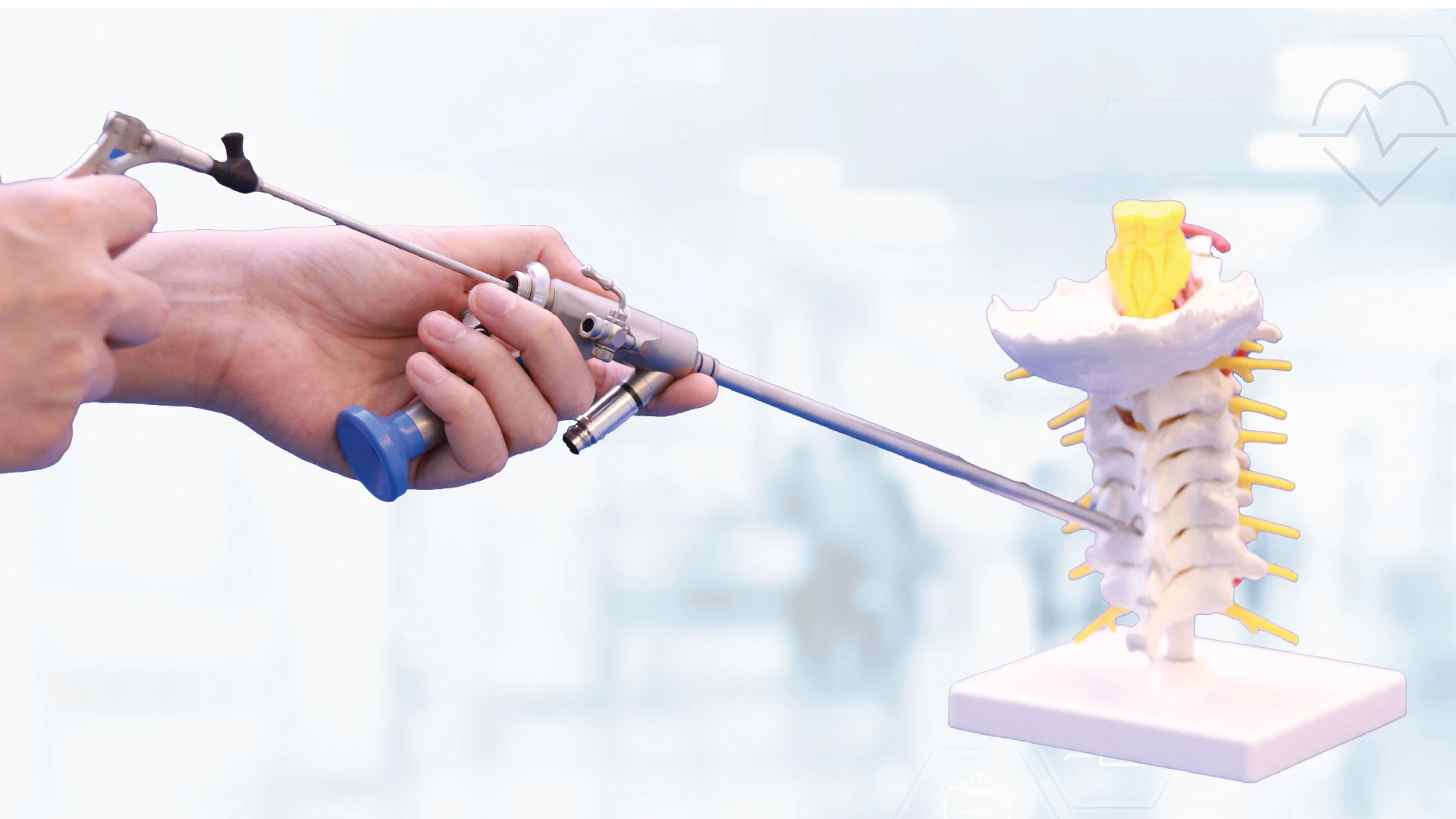
Posterior Cervical Endoscopic Discectomy (PSCD)
Neck pain radiating down the arm is typically caused by nerve compression in the cervical spine. Increasingly, younger individuals are being diagnosed with cervical disc herniation due to daily lifestyle habits such as prolonged computer use, looking down at mobile phones for extended periods, poor posture, and injury from accidents.
Read More
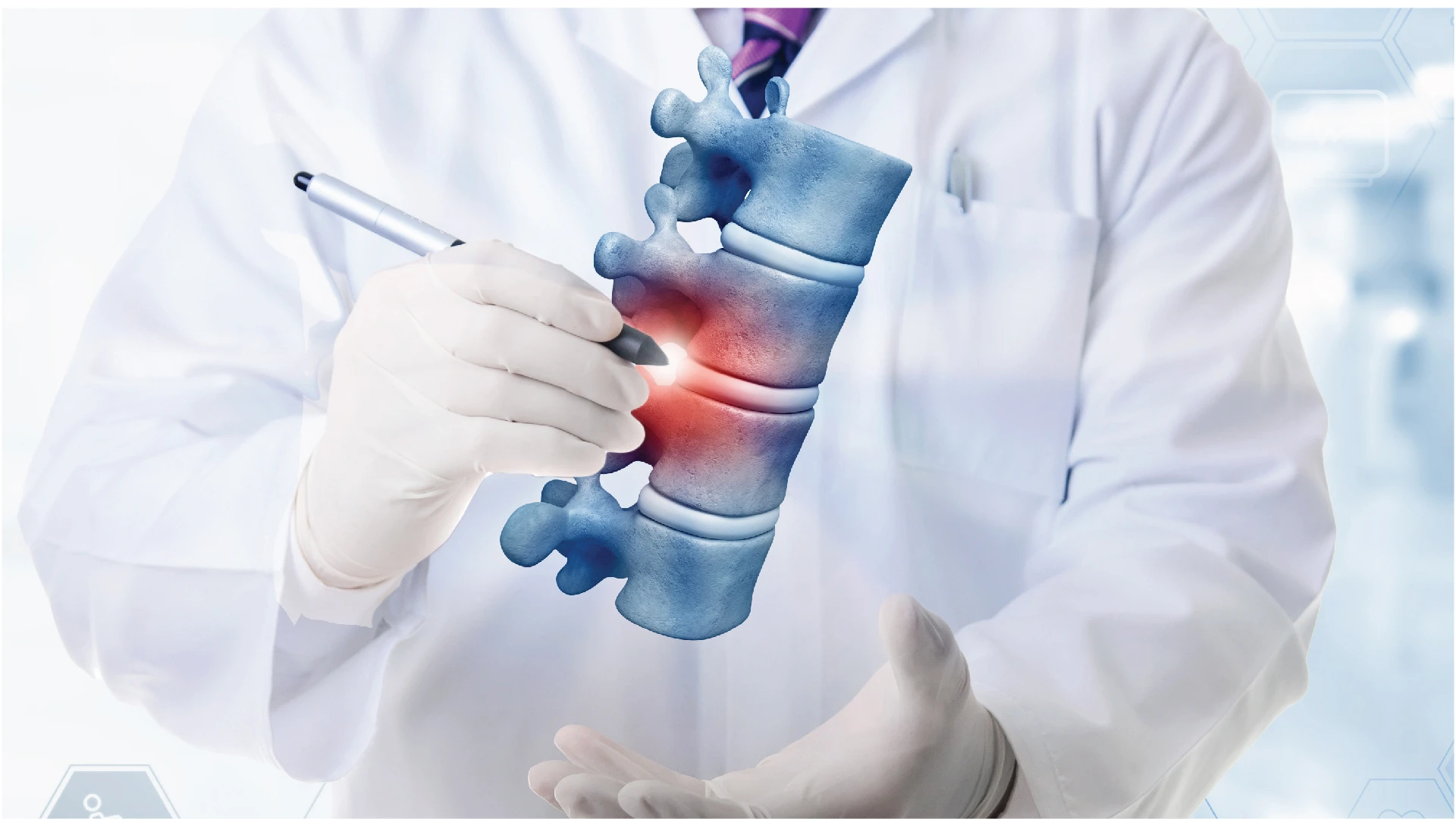
Posterior Spinal Lumbar Discectomy (PSLD)
Lower back pain radiating down the leg often stems from nerve compression in the lumbar spine. This condition is common among working adults and the elderly, as well as those with habits that accelerate spinal degeneration—such as prolonged sitting or standing in the same position, improper lifting techniques, spinal injuries from accidents, and high-impact physical activities.
Read More
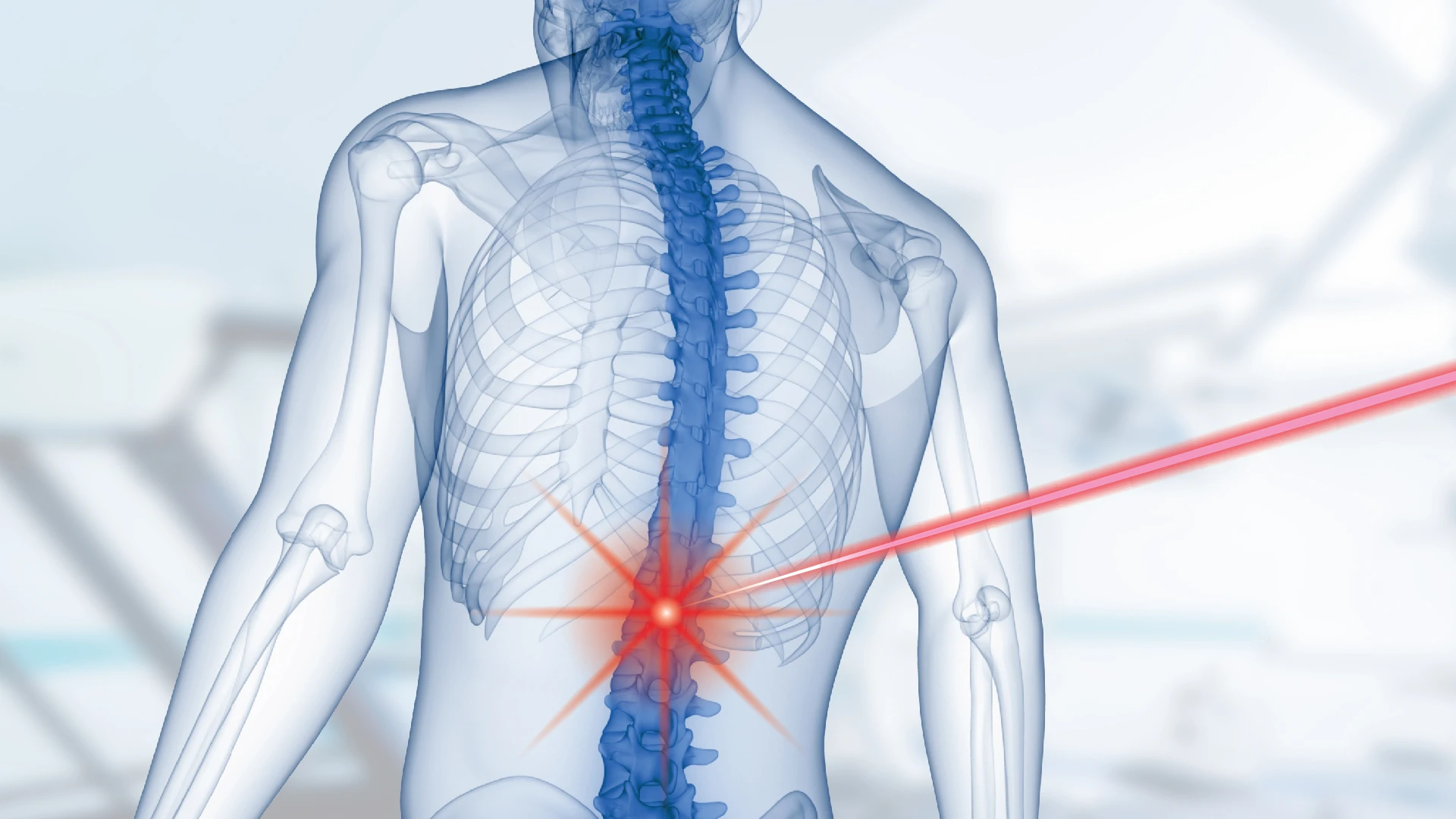
LASER
A herniated disc occurs when an intervertebral disc slips out of its normal position and may press on nearby nerves. This condition commonly affects the lumbar spine, particularly at levels L4-L5 and L5-S1. It typically results from age-related disc degeneration, prolonged sitting, improper lifting techniques, or spinal trauma from accidents.
Read More
Full Endo TLIF
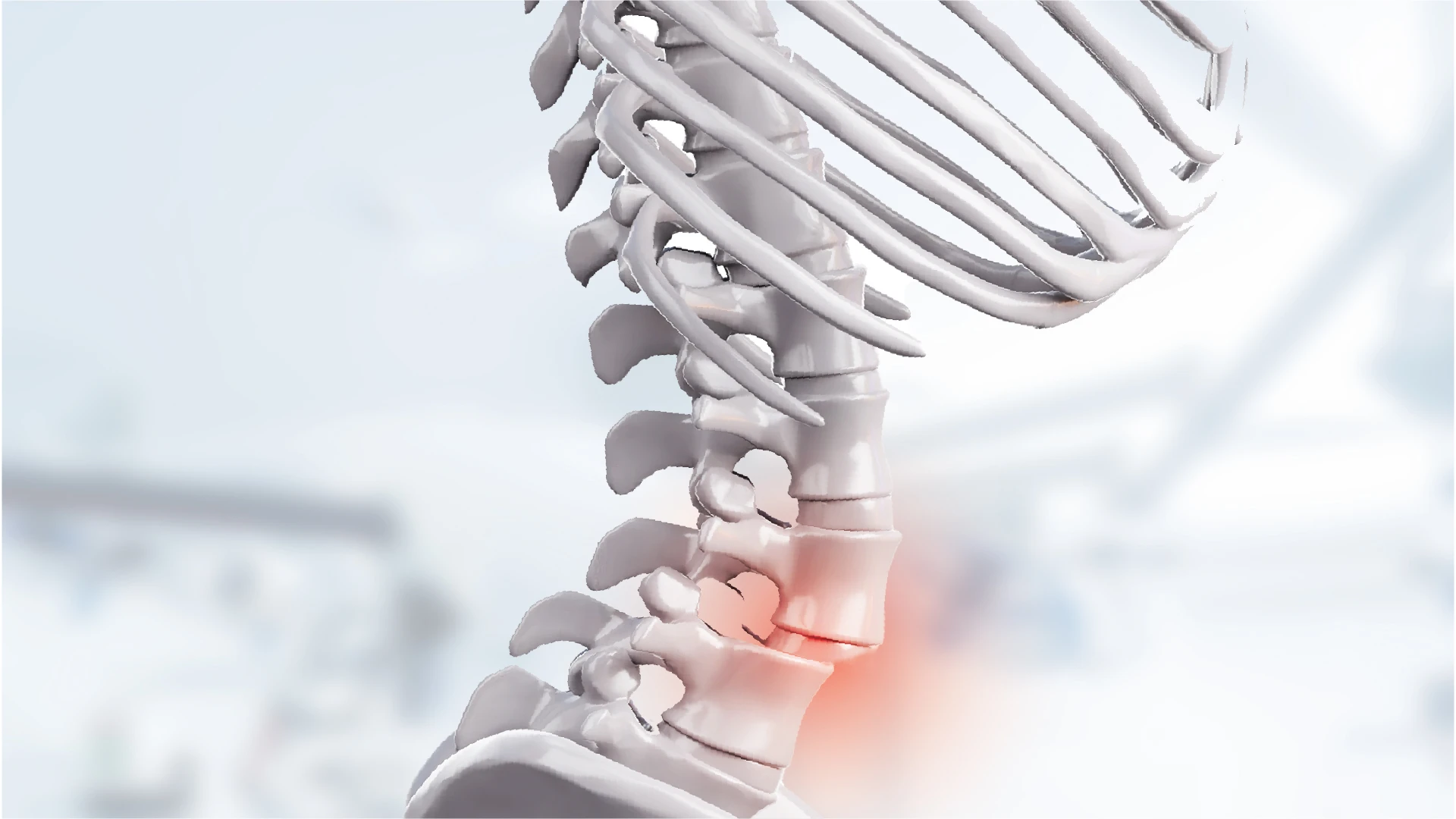
Spondylolisthesis is a condition in which one vertebra slips forward out of its normal alignment. This commonly occurs in the lower spine, especially at the L5-S1 level. It is frequently found in older adults due to degenerative disc disease, where the weakening of spinal discs leads to instability and vertebral displacement.
Read More
Endoscopic ACDF
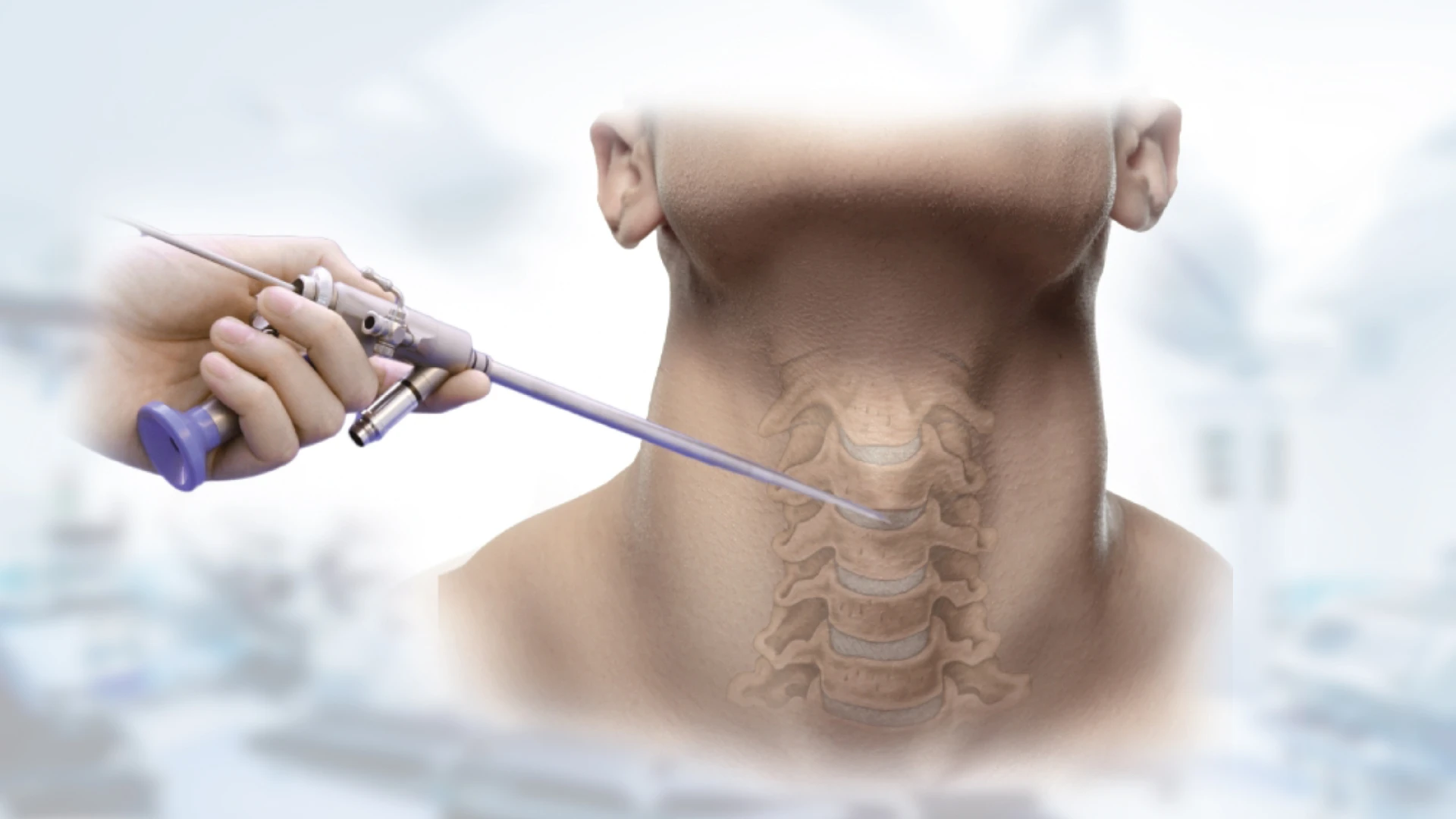
Endoscopic ACDF is a surgical procedure used to treat severe cervical disc degeneration or disc herniation in the neck. When the disc becomes too damaged to absorb shock or herniates and compresses the spinal nerves, it can cause radiating pain down the arms and hands, significantly affecting daily life.
Read More
Cement Injection
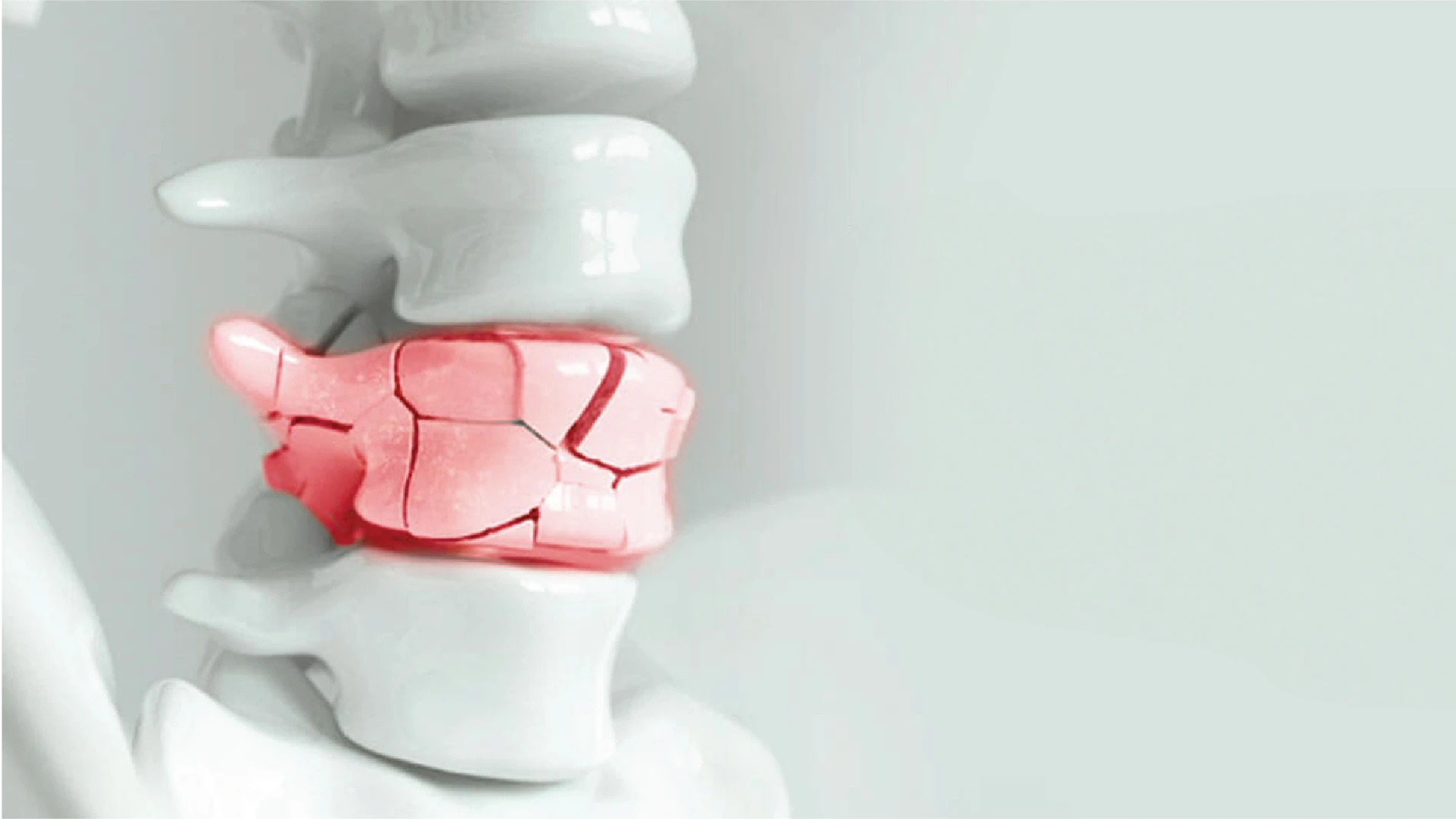
Vertebral fractures or collapses are serious spinal conditions that typically occur due to bone degeneration, accidents, or severe trauma. These injuries can lead to significant pain and impair mobility. They are mostly seen in patients aged 50 and above, especially those with underlying osteoporosis.
Read More
Nerve Root Block Injection (SNRB)
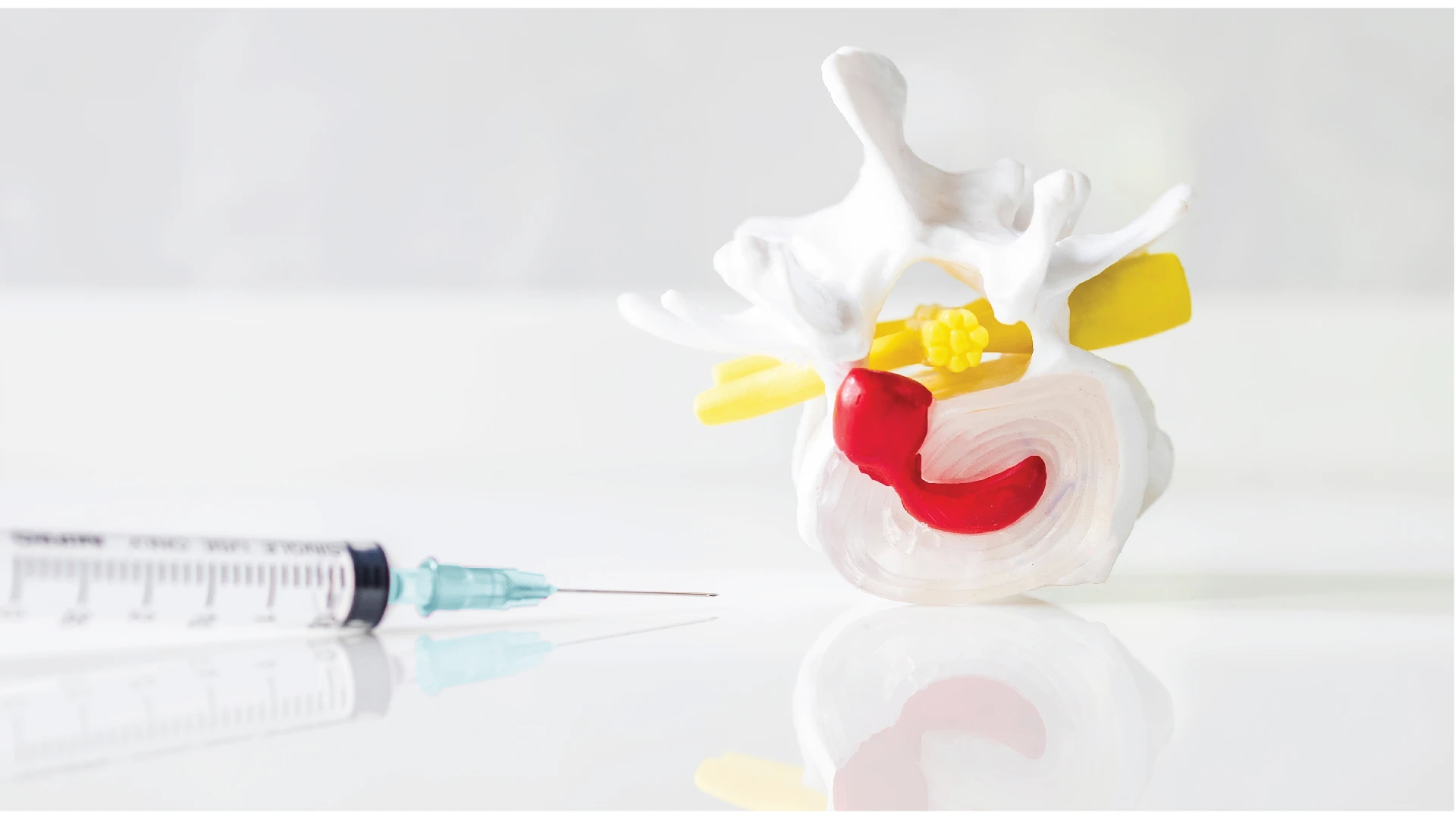
Patients suffering from back pain caused by inflammation of the nerve root or foramen—often due to herniated discs or spinal joint inflammation—may experience radiating pain along the nerve pathway, even if the condition is still in its early stages. In such cases, a Selective Nerve Root Block (SNRB) can help reduce inflammation and alleviate pain effectively.
Read More

No. 2102/9 Ladprao Road, Wang Thonglang Subdistrict, Wang Thonglang District, Bangkok 10310
Call : 02-034-0808


Our Services
Quick Menu
Copyright © 2025 S Spine and Joint Hospital. All right reserved