






ข้อเข่าเสื่อม (Knee Osteoarthritis): วิธีรักษาสมัยใหม่ เทคโนโลยีล่าสุด 2025


ข้อเข่าเสื่อม (Knee Osteoarthritis) เป็นโรคข้อที่พบได้บ่อย โดยเฉพาะในผู้ที่มีอายุ 50 ปีขึ้นไป และยังพบได้ในคนวัยทำงานที่ใช้งานข้อเข่าหนัก เช่น ยืน เดิน หรือยกของบ่อย ๆ โรคนี้เกิดจากการสึกหรอของกระดูกอ่อน ทำให้เกิดอาการปวด ฝืด และข้อเคลื่อนไหวได้ไม่เต็มที่ หากปล่อยไว้นานอาจทำให้คุณภาพชีวิตลดลงอย่างมาก
ข้อเข่าเสื่อม (Knee Osteoarthritis) เป็นโรคข้อที่พบได้บ่อย โดยเฉพาะในผู้ที่มีอายุ 50 ปีขึ้นไป และยังพบได้ในคนวัยทำงานที่ใช้งานข้อเข่าหนัก เช่น ยืน เดิน หรือยกของบ่อย ๆ โรคนี้เกิดจากการสึกหรอของกระดูกอ่อน ทำให้เกิดอาการปวด ฝืด และข้อเคลื่อนไหวได้ไม่เต็มที่ หากปล่อยไว้นานอาจทำให้คุณภาพชีวิตลดลงอย่างมาก
ปัจจุบัน การแพทย์ก้าวหน้าไปไกล การรักษาไม่ได้มีเพียงการผ่าตัดใหญ่ แต่มีทางเลือกหลายแบบ ตั้งแต่การกายภาพบำบัด การฉีดน้ำหล่อเลี้ยงข้อ ไปจนถึงการผ่าตัดด้วยเทคโนโลยีหุ่นยนต์ (Robotic Knee Replacement) ที่ให้ความแม่นยำสูงและช่วยฟื้นตัวเร็วขึ้น
บทความนี้จะอธิบายตั้งแต่อาการ สาเหตุ การวินิจฉัย วิธีรักษา ไปจนถึงเทคโนโลยีล่าสุด เพื่อช่วยให้ผู้อ่านเข้าใจและตัดสินใจเลือกแนวทางที่เหมาะสมกับตนเอง
อาการและสัญญาณเตือนข้อเข่าเสื่อม
• ปวดเข่าเวลาเดินหรือขึ้นลงบันได
• ข้อเข่าฝืดหรือติด โดยเฉพาะช่วงเช้า
• มีเสียงดังกรอบแกรบในข้อ
• ข้อบวมและอักเสบ
• เดินไม่มั่นคงหรือขาโก่ง
หากมีอาการเหล่านี้บ่อย ควรเข้าพบแพทย์เพื่อรับการตรวจ ไม่ควรปล่อยไว้จนรุนแรง
การตรวจวินิจฉัยข้อเข่าเสื่อม
หลายคนอาจสงสัยว่า “ถ้าเจ็บเข่า จะบอกได้เลยไหมว่าเป็นข้อเข่าเสื่อม?” คำตอบคือไม่เพียงพอ เพราะอาการเจ็บเข่าอาจเกิดจากสาเหตุอื่น เช่น เส้นเอ็นอักเสบ หรือหมอนรองกระดูกข้อเข่า แพทย์จึงใช้หลายวิธีร่วมกันในการวินิจฉัย ได้แก่:
• การซักประวัติและตรวจร่างกาย → ซักถามอาการ ตรวจการเคลื่อนไหว
• X-ray → ดูว่าช่องข้อเข่าแคบลงหรือไม่ คล้ายกับเบาะรองนั่งที่ยุบตัวจนกระดูกเสียดสีกัน
• MRI → เหมือนการซูมกล้องเพื่อดูรายละเอียดของกระดูกอ่อนและเส้นเอ็น
• การทดสอบการเคลื่อนไหว (Physical Exam) → เช่น การเดินหรือขึ้นลงบันได
การตรวจจากแพทย์คือสิ่งสำคัญ เพื่อหาสาเหตุที่แท้จริงและวางแผนการรักษาที่ถูกต้อง
วิธีรักษาข้อเข่าเสื่อมแบบไม่ผ่าตัด (Non-surgical Options)
เหมาะสำหรับผู้ที่มีอาการไม่รุนแรงหรืออยู่ในระยะต้น
1. ปรับพฤติกรรมและกายภาพบำบัด
• ลดน้ำหนัก → เพื่อลดแรงกดบนข้อ
• เลือกการออกกำลังกายแบบ Low Impact เช่น ว่ายน้ำ ปั่นจักรยาน
• กายภาพบำบัด → เสริมความแข็งแรงของกล้ามเนื้อรอบเข่า
2. การใช้ยา
• ยาลดอาการปวดและอักเสบ (NSAIDs)
• อาหารเสริม เช่น Glucosamine, Chondroitin → ช่วยได้ในบางราย
3. การฉีดเพื่อบรรเทาอาการ
• Hyaluronic Acid (น้ำหล่อเลี้ยงข้อเทียม): เพิ่มความลื่น ลดการเสียดสี
• PRP (Platelet-Rich Plasma): ใช้เกล็ดเลือดของผู้ป่วยเองเพื่อกระตุ้นการซ่อมแซมเนื้อเยื่อ
การรักษาแบบไม่ผ่าตัดช่วยลดอาการและชะลอการเสื่อม เหมาะกับผู้ที่ยังไม่ต้องการผ่าตัด
ผ่าตัดเปลี่ยนข้อเข่าเทียม ด้วยเทคโนโลยีแม่นยำระดับสูง
แพ็กเกจผ่าตัดเปลี่ยนข้อเข่าเทียม ราคา 150,000 บาท จากราคาปกติ 311,200 บาท ( 5 วัน 4 คืน)
 02 034 0808
ผ่าตัดเปลี่ยนข้อเข่าเทียม ด้วยเทคโนโลยีแม่นยำระดับสูง
แพ็กเกจผ่าตัดเปลี่ยนข้อเข่าเทียม ราคา 150,000 บาท จากราคาปกติ 311,200 บาท ( 5 วัน 4 คืน)
02 034 0808วิธีรักษาข้อเข่าเสื่อมแบบผ่าตัด (Surgical Options)
เมื่ออาการรุนแรงและส่งผลต่อการใช้ชีวิตประจำวัน แพทย์อาจแนะนำการผ่าตัด
1. Arthroscopy – ส่องกล้องทำความสะอาดข้อ
2. Osteotomy – ผ่าตัดจัดแนวกระดูกใหม่เพื่อลดแรงกด
3. Unicompartmental Knee Arthroplasty (UKA) – เปลี่ยนเฉพาะบางส่วนของข้อ → แผลเล็ก ฟื้นตัวเร็ว
4. Total Knee Replacement (TKA) – เปลี่ยนข้อเข่าทั้งหมด เหมาะกับผู้ที่ข้อเสื่อมรุนแรง
5. Robotic Assisted Surgery – ใช้หุ่นยนต์ช่วยผ่าตัด → เพิ่มความแม่นยำ ลดการบาดเจ็บ ฟื้นตัวได้เร็วกว่า
การผ่าตัดไม่ใช่คำตอบของทุกคน แต่สำหรับผู้ที่อาการหนัก การผ่าตัดสามารถเปลี่ยนคุณภาพชีวิตได้จริง
ข้อเข่าเสื่อมอาจเป็นโรคที่พบบ่อย แต่ไม่ใช่โรคที่ต้องยอมแพ้ ด้วยทางเลือกการรักษาที่หลากหลาย ตั้งแต่การดูแลตัวเอง การรักษาแบบไม่ผ่าตัด ไปจนถึงการผ่าตัดด้วยเทคโนโลยีหุ่นยนต์ ผู้ป่วยสามารถกลับมาใช้ชีวิตประจำวันได้ใกล้เคียงปกติ
👉 หากมีอาการเจ็บเข่า เดินลำบาก หรือสงสัยว่าเป็นข้อเข่าเสื่อม ควรเข้ารับการตรวจและปรึกษาแพทย์เฉพาะทาง โรงพยบาลเอส สไปน์ อนดื จอยทื เพื่อวางแผนการรักษาที่เหมาะสมที่สุด
Read More
 Share
Share

 Copied link to clipboard
Related Services
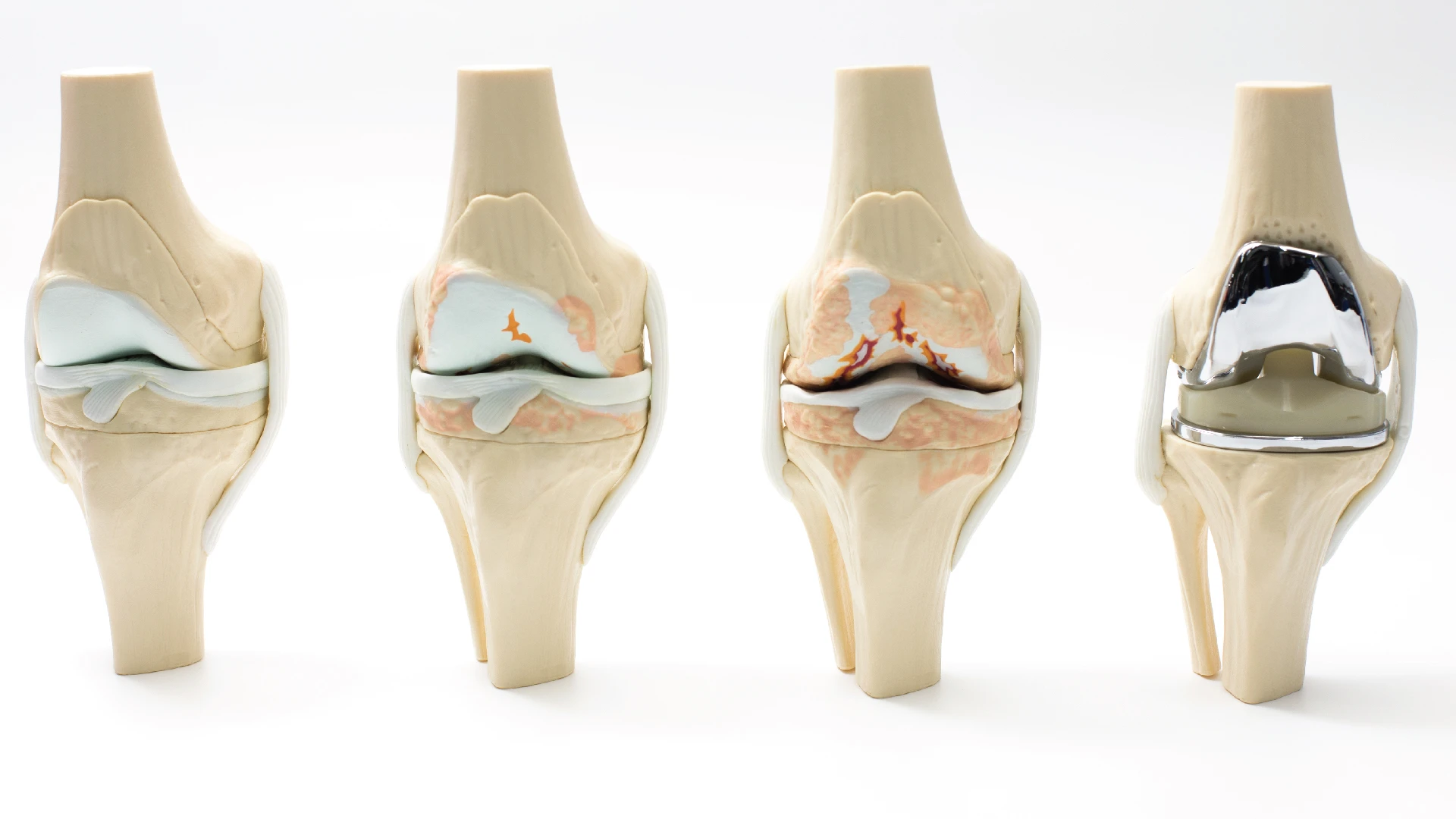
Total Knee Arthroplasty (TKA)
Patients with severe knee osteoarthritis who suffer from chronic pain and limited mobility that interferes with daily life may be considered for total knee replacement (TKA). This procedure helps restore joint function and improves mobilityShape
Read More
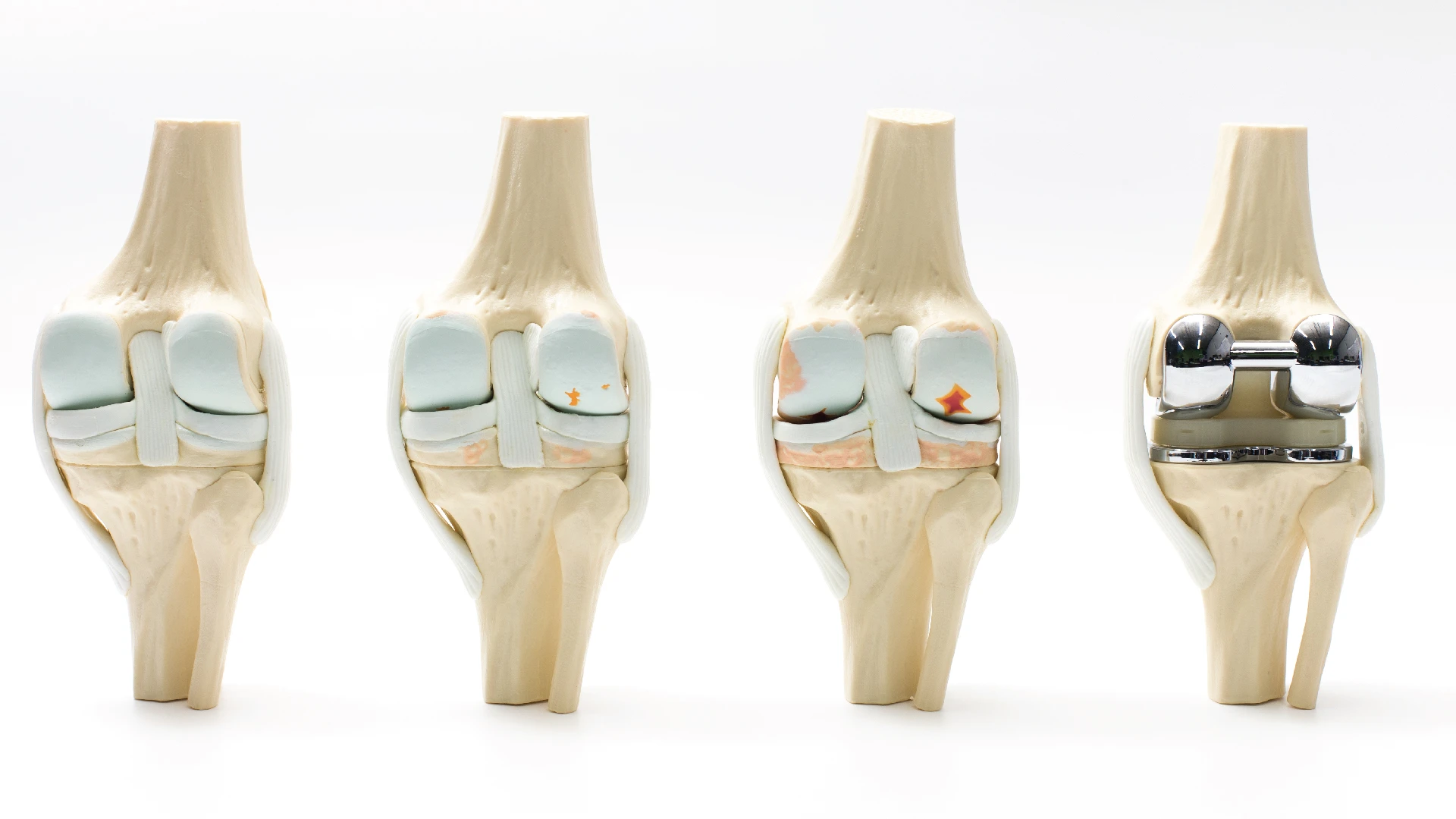
Partial Knee Replacement (UKA)
Partial knee replacement involves removing and replacing only the damaged compartments of the knee. Partial knee replacement surgery is also referred to as uni-compartmental knee replacement. Only a piece of the knee is resurfaced with metal and medical grade plastic components in uni-compartmental knee replacement. For individuals whose illness is restricted to only one part of the knee, this technique serves as an alternative to complete knee replacement.
Read More
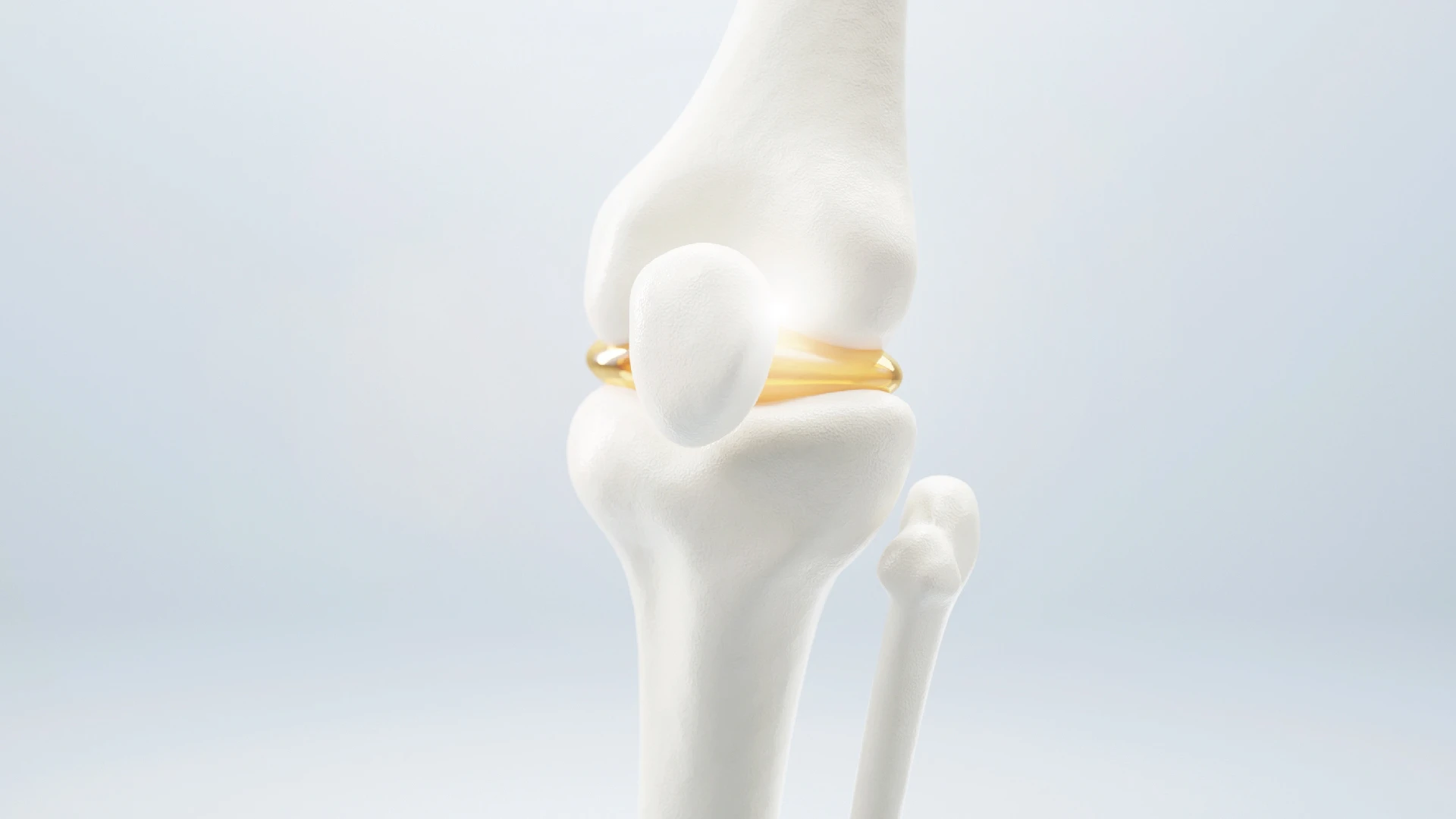
Meniscus Repair
Meniscus repair is performed for patients who suffer from injuries to the meniscus, often caused by falls or repetitive knee movements that lead to tearing. The procedure helps restore the function of the meniscus, reduce pain, and prevent the progression to osteoarthritis in the long term.
Read More
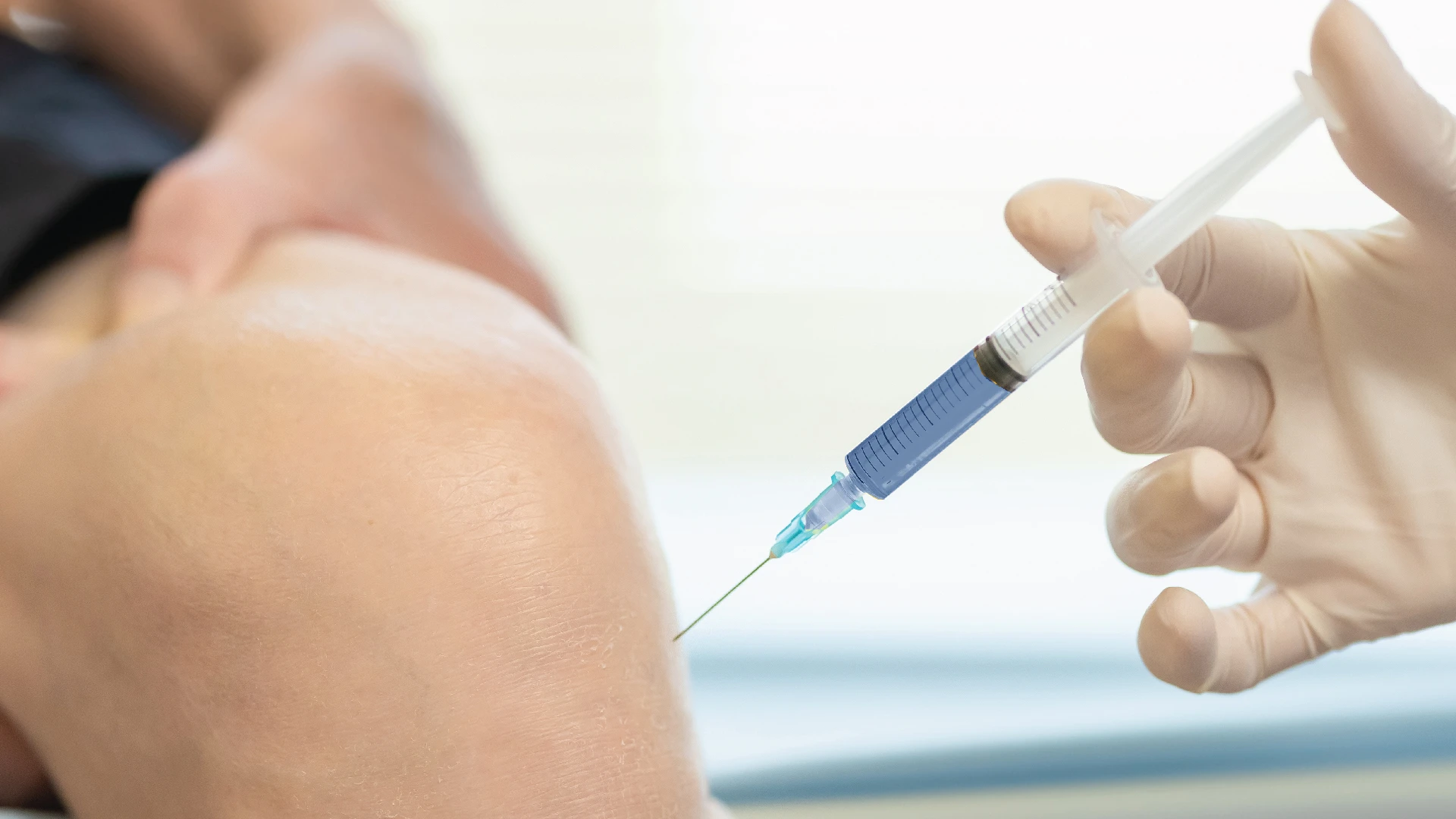
Platelet-Rich Plasma Injection (PRP)
Platelet-Rich Plasma (PRP) injection is a treatment option for patients with early-stage knee osteoarthritis or knee joint injuries. The method involves using the patient’s own highly concentrated platelets to stimulate the growth of new cells and repair damaged tissues, helping to restore joint strength and function.
Read More
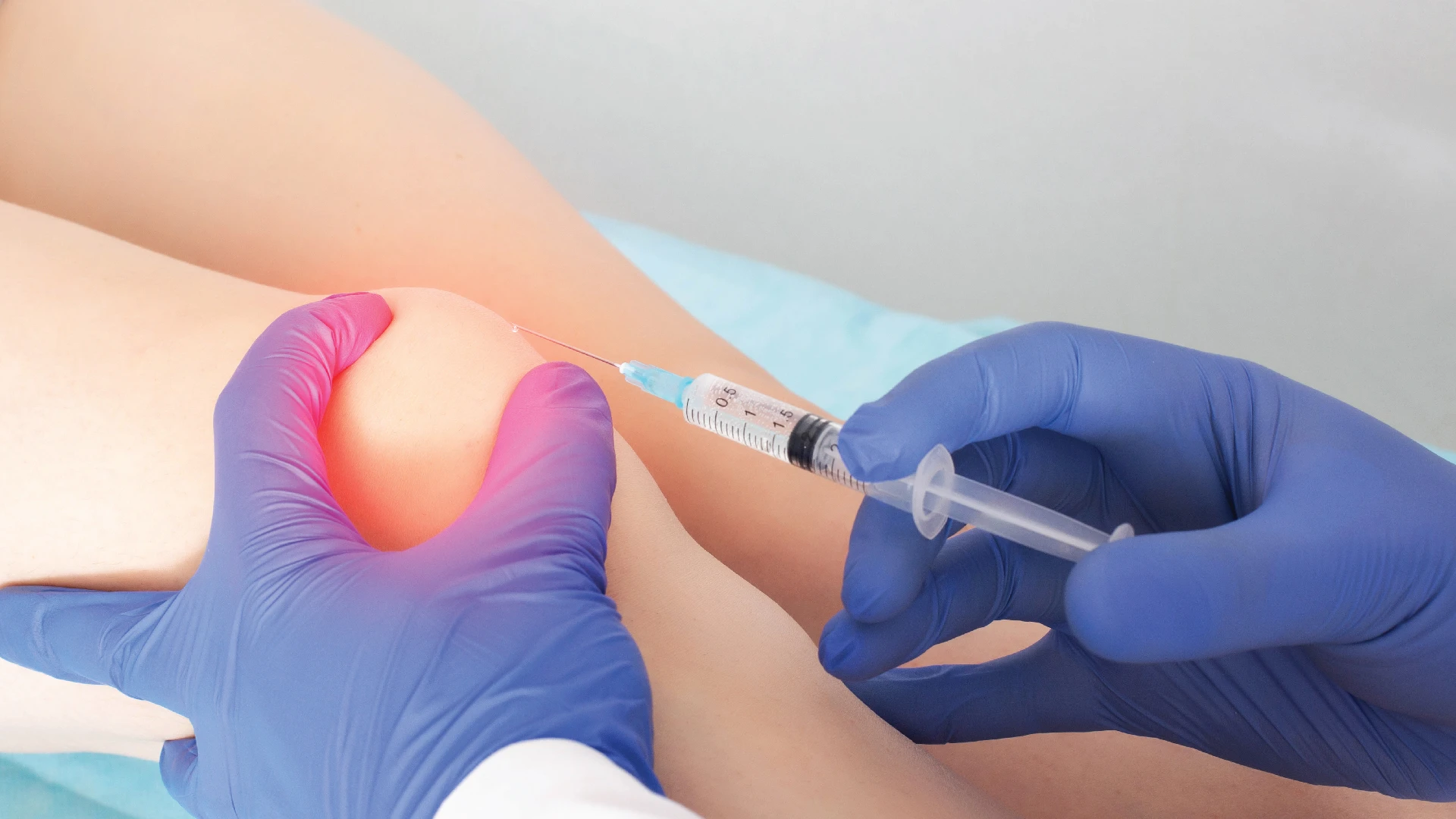
Hyaluronic Acid Injection (HA)
Early-stage knee osteoarthritis often presents with stiffness, discomfort, or intermittent pain and swelling. Symptoms typically improve with rest but worsen with increased joint use. Hyaluronic acid injection is a suitable treatment for early osteoarthritis, enhancing joint lubrication and reducing the friction that causes pain.
Read More
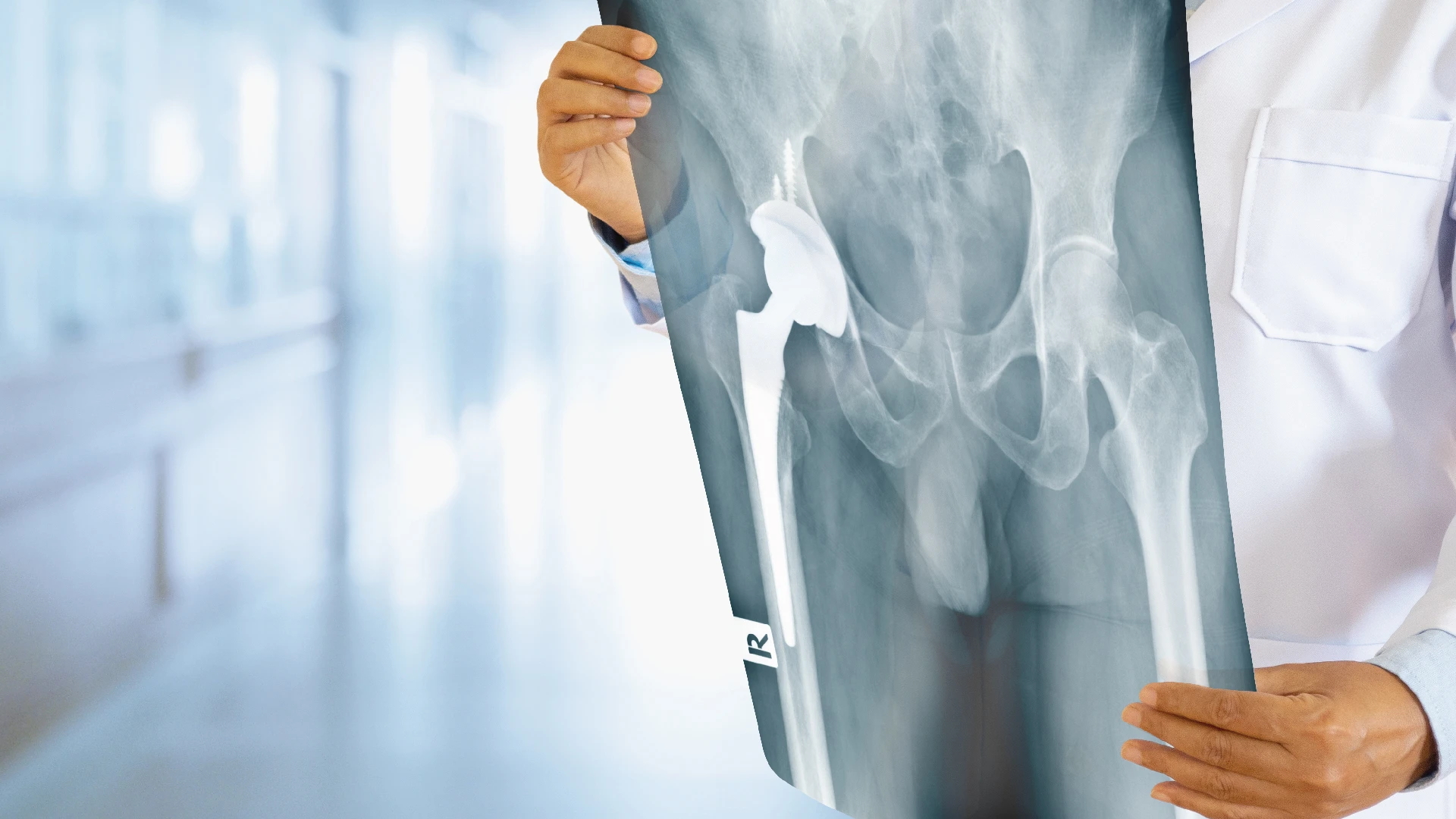
Total Hip Arthroplasty (THA)
A total hip replacement involves replacing the ball and socket of the hip joint. A prosthetic head on a shaft is used to replace the femoral head, and a synthetic joint surface is used to line the acetabulum surface. The average surgical operation lasts between one to two hours. How closely you adhere to the home care recommendations provided by your Orthopedic surgeon in the initial weeks following surgery will have a significant impact on the outcome of your procedure.
Read More
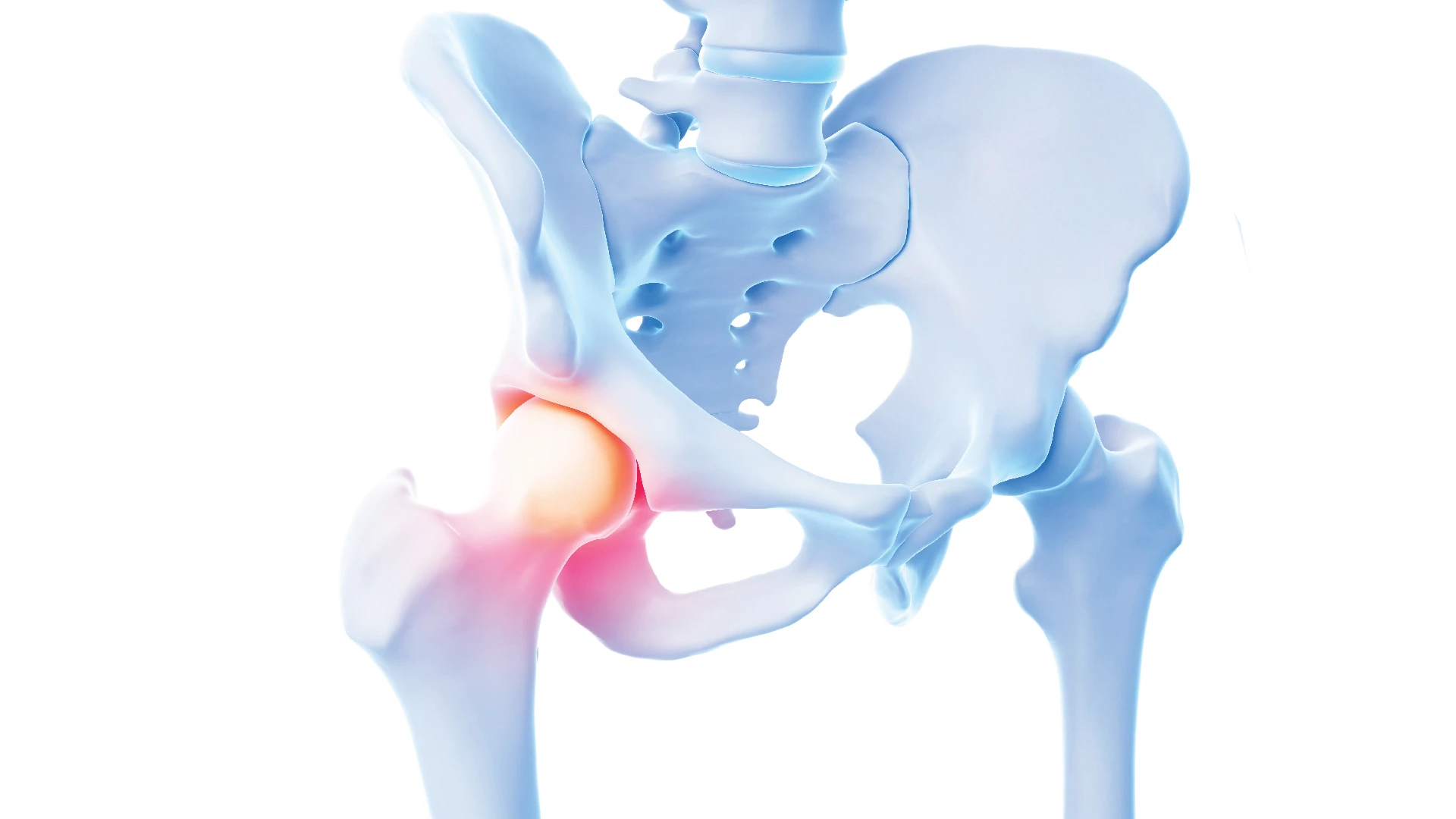
Partial Hip Replacement (Hip Hemiarthroplasty)
Repeated hip-loading activities—such as frequent stair climbing, heavy lifting, or repeated squatting—combined with conditions like osteoporosis or trauma, can accelerate hip joint degeneration. In cases where damage is localized, such as a femoral neck fracture or partial hip deterioration, partial hip replacement can help relieve pain and restore mobility.
Read More
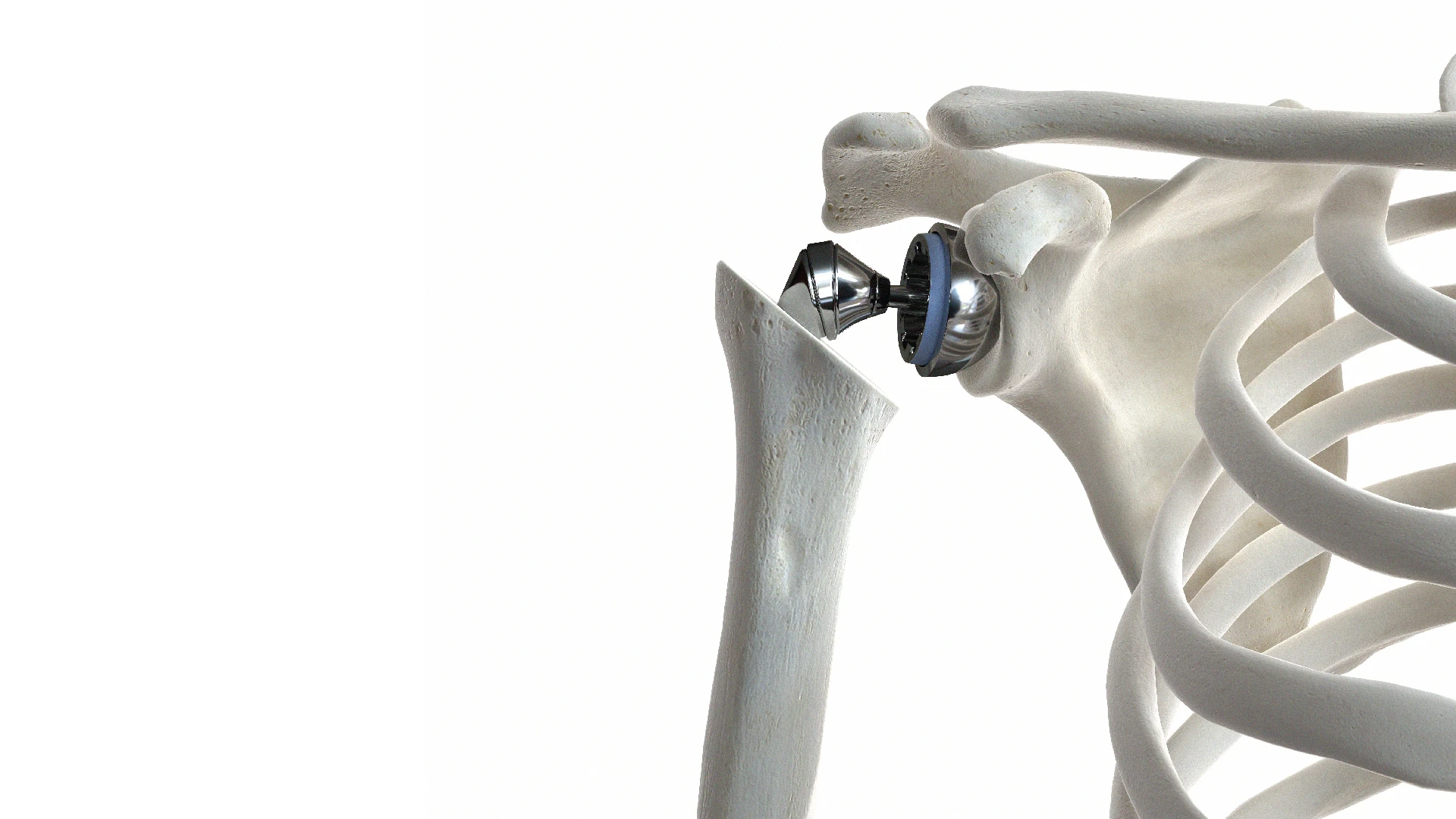
Reverse Total Shoulder Arthroplasty (RTSA)
Patients experiencing shoulder stiffness, limited arm elevation, or deep pain inside the shoulder—especially when reaching, combing hair, or putting on clothes—may be facing rotator cuff tear-related issues. In some severe cases, patients cannot lift their arm at all, even though the arm muscles appear normal. This condition is often caused by a severe rotator cuff tear along with degenerative changes in the shoulder joint, which may result from aging, repetitive shoulder use, or injury. Reverse shoulder arthroplasty has become a promising treatment option to restore mobility and reduce pain in such cases.
Read More


No. 2102/9 Ladprao Road, Wang Thonglang Subdistrict, Wang Thonglang District, Bangkok 10310
Call : +66 2-034-0808


Our Services
Quick Menu
Copyright © 2025 S Spine and Joint Hospital. All right reserved