






“นิ้วล็อก” ไม่ใช่เรื่องเล็ก: รู้ทันก่อนขยับนิ้วไม่ได้


เคยรู้สึกนิ้วติด หรืองอแล้วขยับไม่ได้หรือไม่? บางครั้งอาจรู้สึกสะดุดเมื่อพยายามเหยียดนิ้ว หรือขยับนิ้วไม่ได้อย่างปกติ หากปล่อยไว้ อาการเหล่านี้อาจกลายเป็น "นิ้วล็อก" (Trigger Finger) ที่ส่งผลต่อการเคลื่อนไหวติดขัด และกระทบต่อการใช้ชีวิตประจำวัน
เคยรู้สึกนิ้วติด หรืองอแล้วขยับไม่ได้หรือไม่? บางครั้งอาจรู้สึกสะดุดเมื่อพยายามเหยียดนิ้ว หรือขยับนิ้วไม่ได้อย่างปกติ หากปล่อยไว้ อาการเหล่านี้อาจกลายเป็น "นิ้วล็อก" (Trigger Finger) ที่ส่งผลต่อการเคลื่อนไหวติดขัด และกระทบต่อการใช้ชีวิตประจำวัน
Read More
 Share
Share

 Copied link to clipboard
Related Services
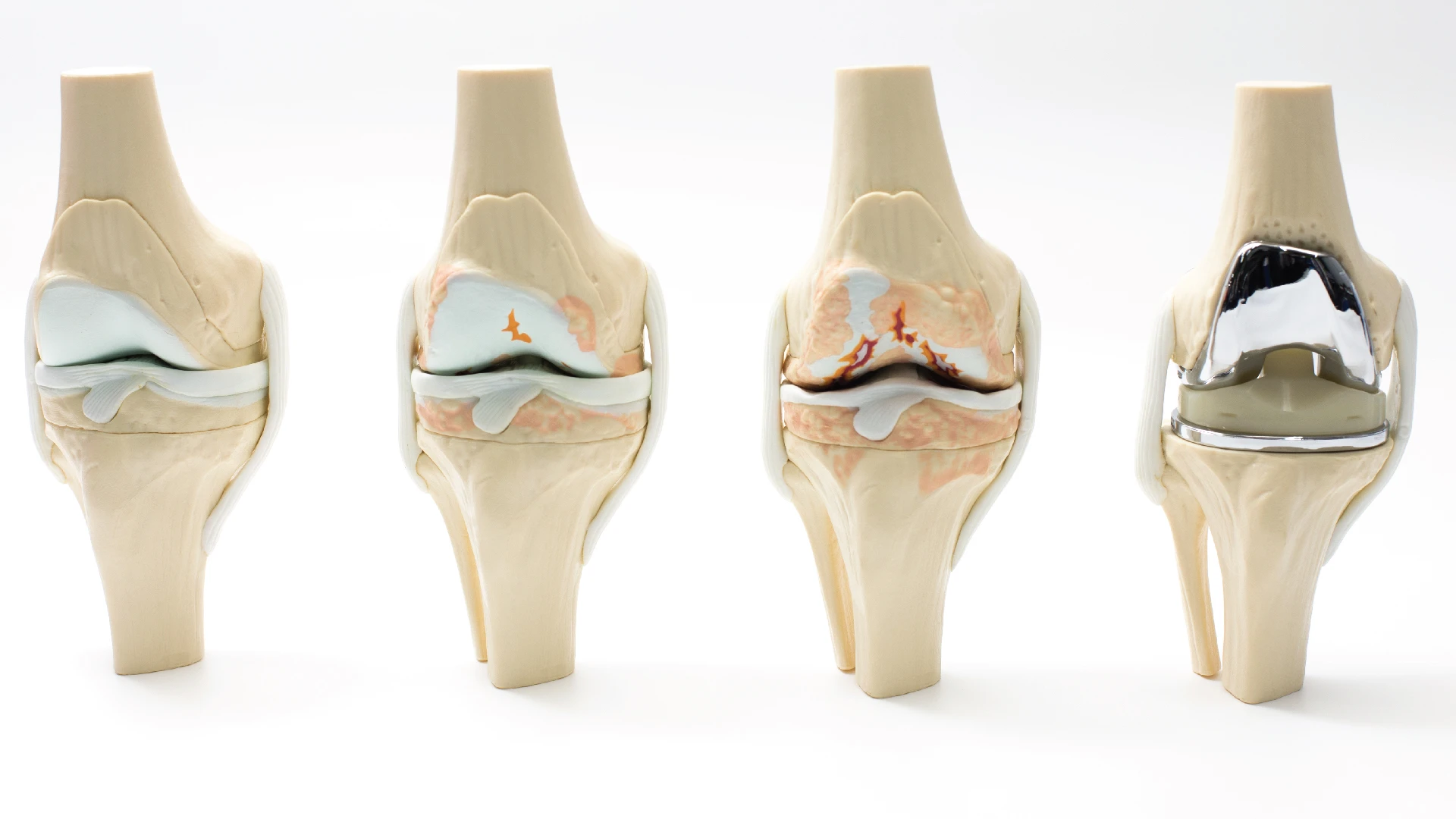
Total Knee Arthroplasty (TKA)
Patients with severe knee osteoarthritis who suffer from chronic pain and limited mobility that interferes with daily life may be considered for total knee replacement (TKA). This procedure helps restore joint function and improves mobilityShape
Read More
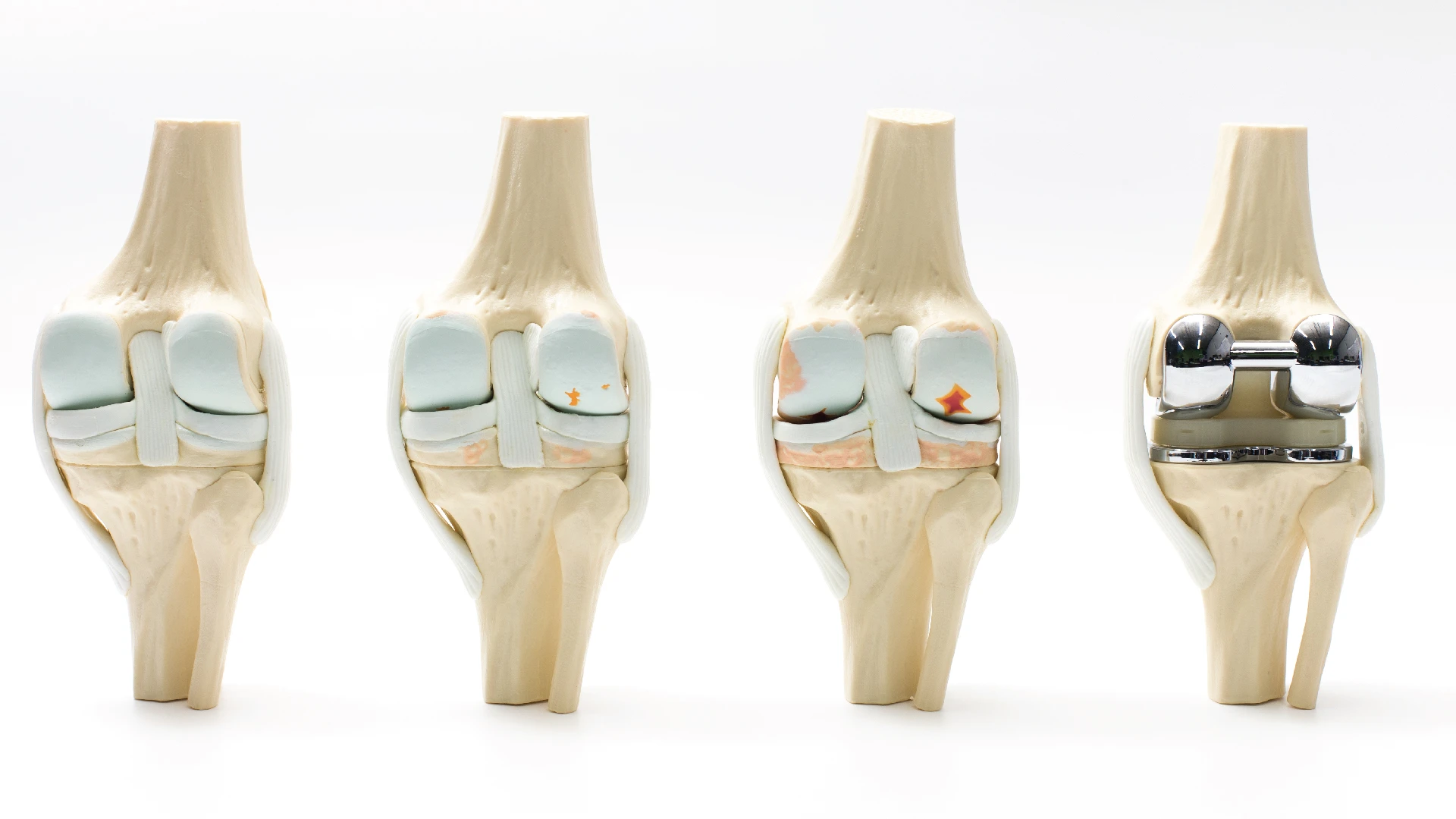
Partial Knee Replacement (UKA)
Partial knee replacement involves removing and replacing only the damaged compartments of the knee. Partial knee replacement surgery is also referred to as uni-compartmental knee replacement. Only a piece of the knee is resurfaced with metal and medical grade plastic components in uni-compartmental knee replacement. For individuals whose illness is restricted to only one part of the knee, this technique serves as an alternative to complete knee replacement.
Read More
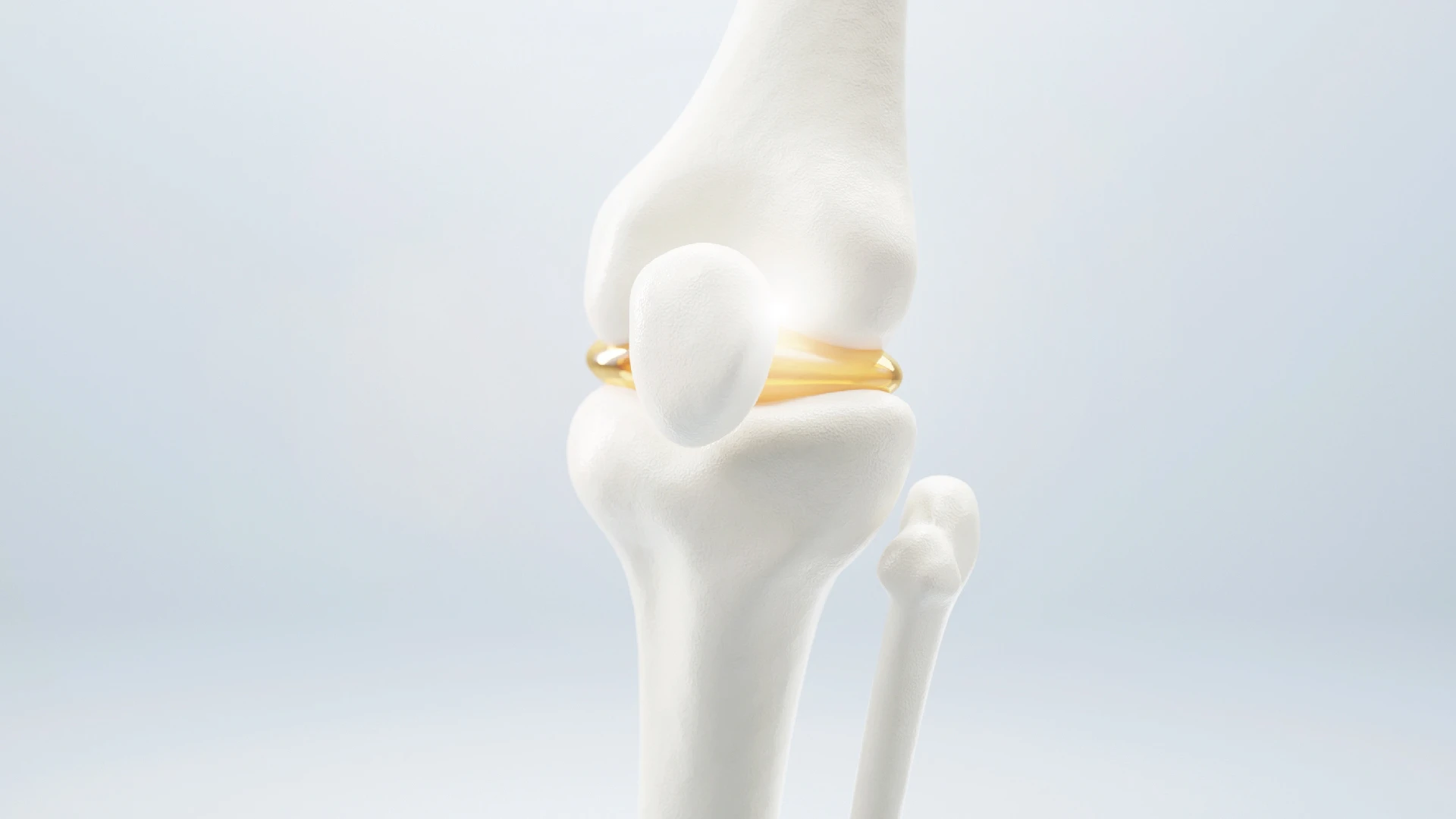
Meniscus Repair
Meniscus repair is performed for patients who suffer from injuries to the meniscus, often caused by falls or repetitive knee movements that lead to tearing. The procedure helps restore the function of the meniscus, reduce pain, and prevent the progression to osteoarthritis in the long term.
Read More
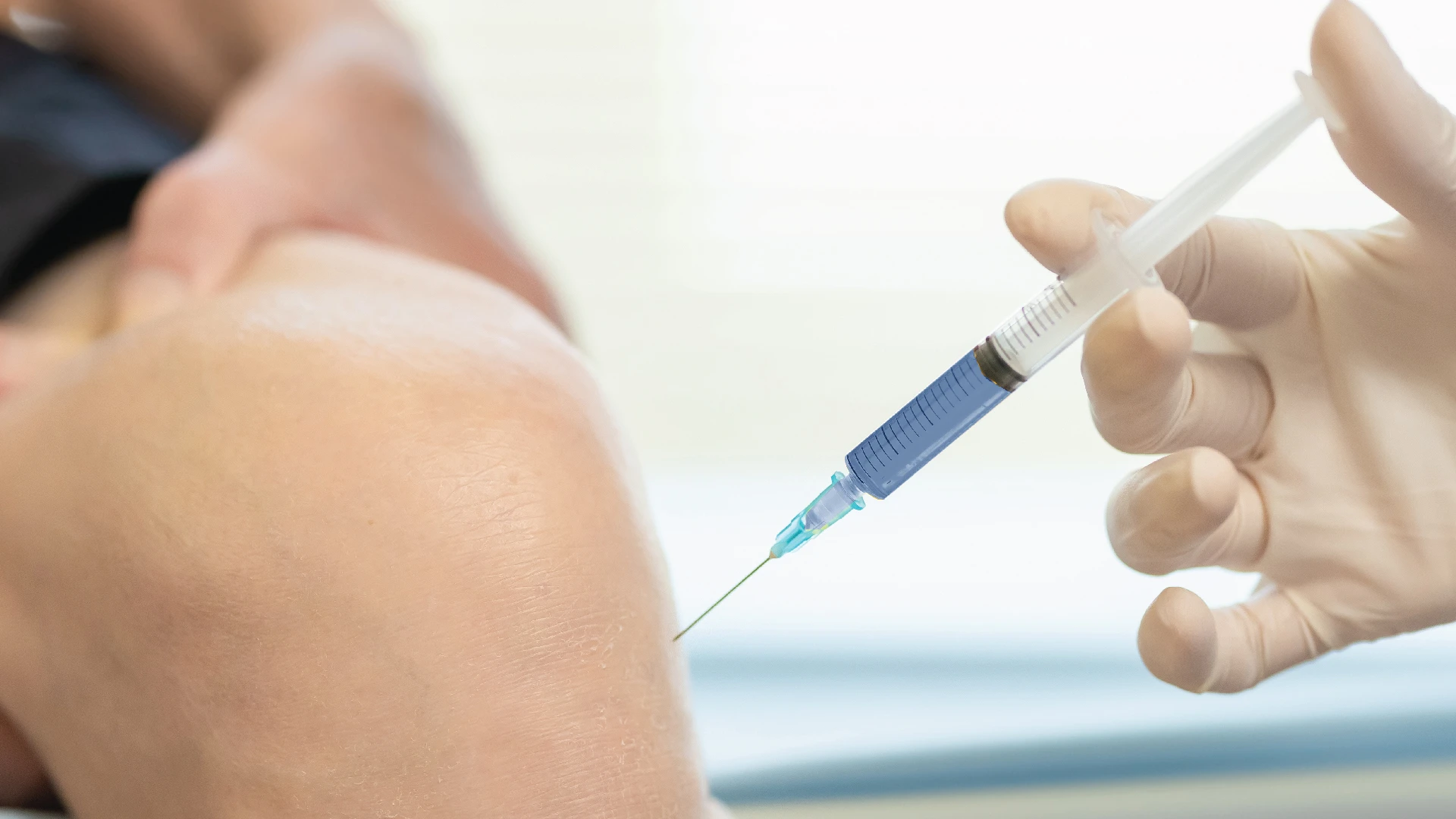
Platelet-Rich Plasma Injection (PRP)
Platelet-Rich Plasma (PRP) injection is a treatment option for patients with early-stage knee osteoarthritis or knee joint injuries. The method involves using the patient’s own highly concentrated platelets to stimulate the growth of new cells and repair damaged tissues, helping to restore joint strength and function.
Read More
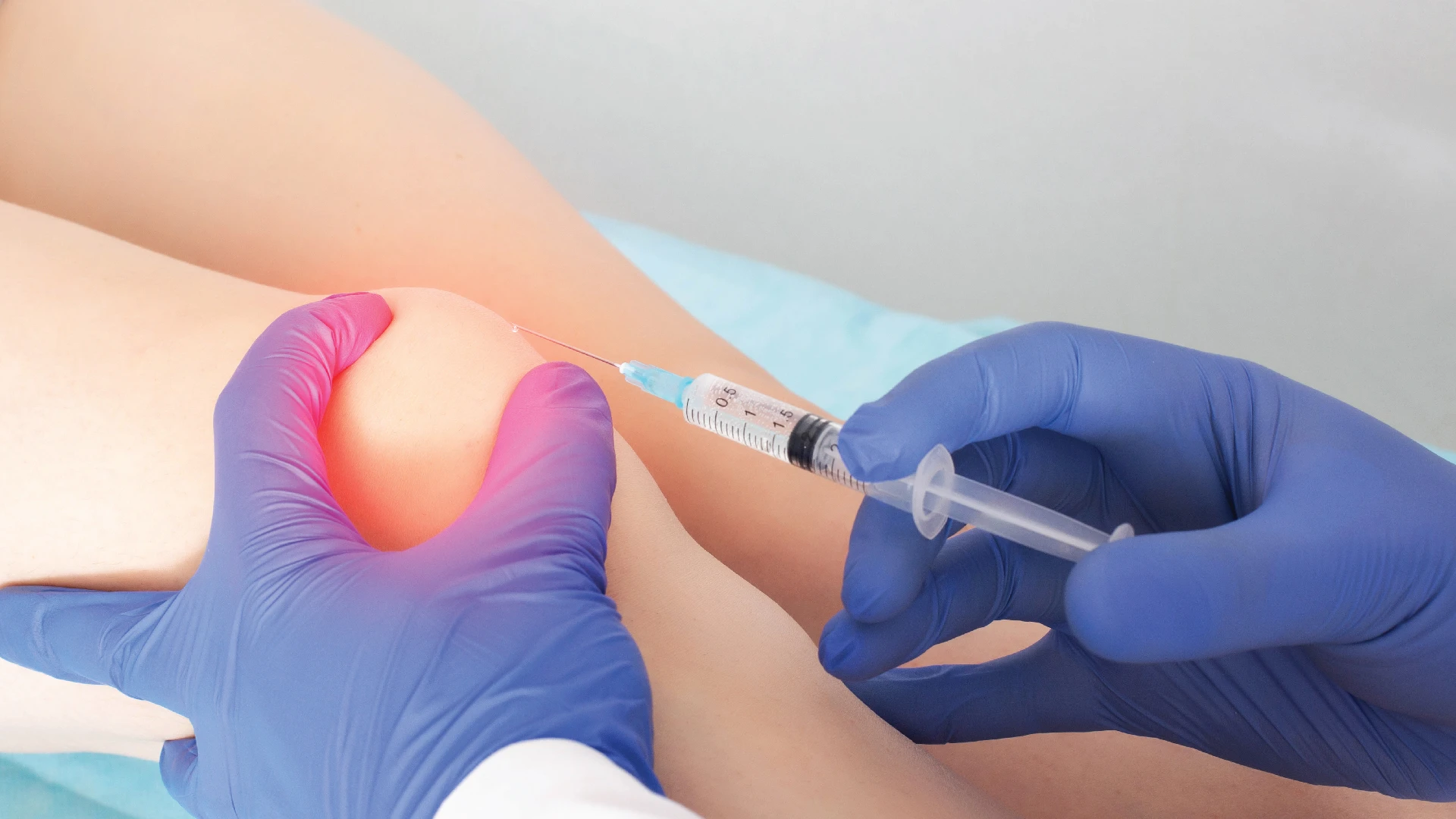
Hyaluronic Acid Injection (HA)
Early-stage knee osteoarthritis often presents with stiffness, discomfort, or intermittent pain and swelling. Symptoms typically improve with rest but worsen with increased joint use. Hyaluronic acid injection is a suitable treatment for early osteoarthritis, enhancing joint lubrication and reducing the friction that causes pain.
Read More
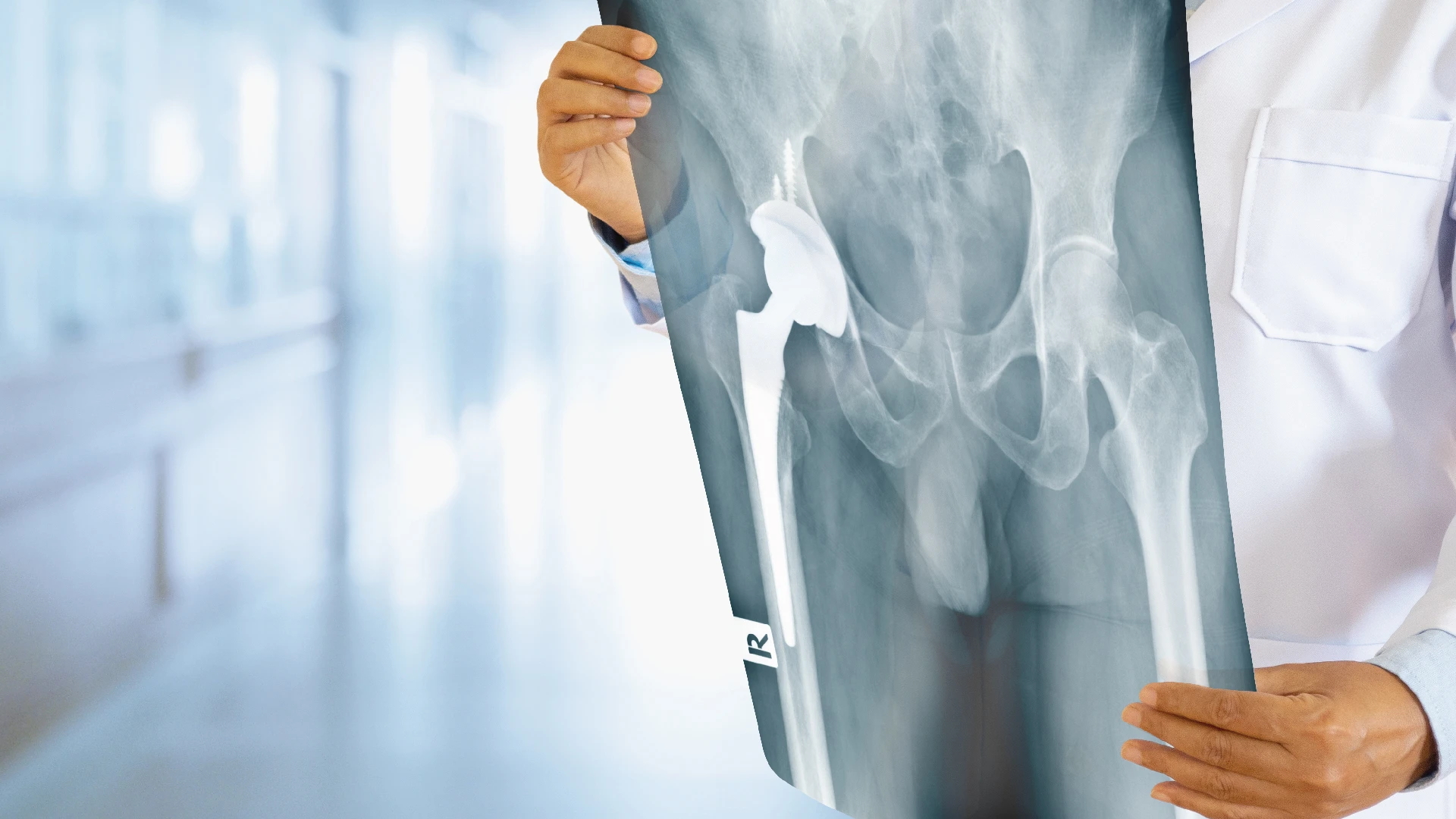
Total Hip Arthroplasty (THA)
A total hip replacement involves replacing the ball and socket of the hip joint. A prosthetic head on a shaft is used to replace the femoral head, and a synthetic joint surface is used to line the acetabulum surface. The average surgical operation lasts between one to two hours. How closely you adhere to the home care recommendations provided by your Orthopedic surgeon in the initial weeks following surgery will have a significant impact on the outcome of your procedure.
Read More
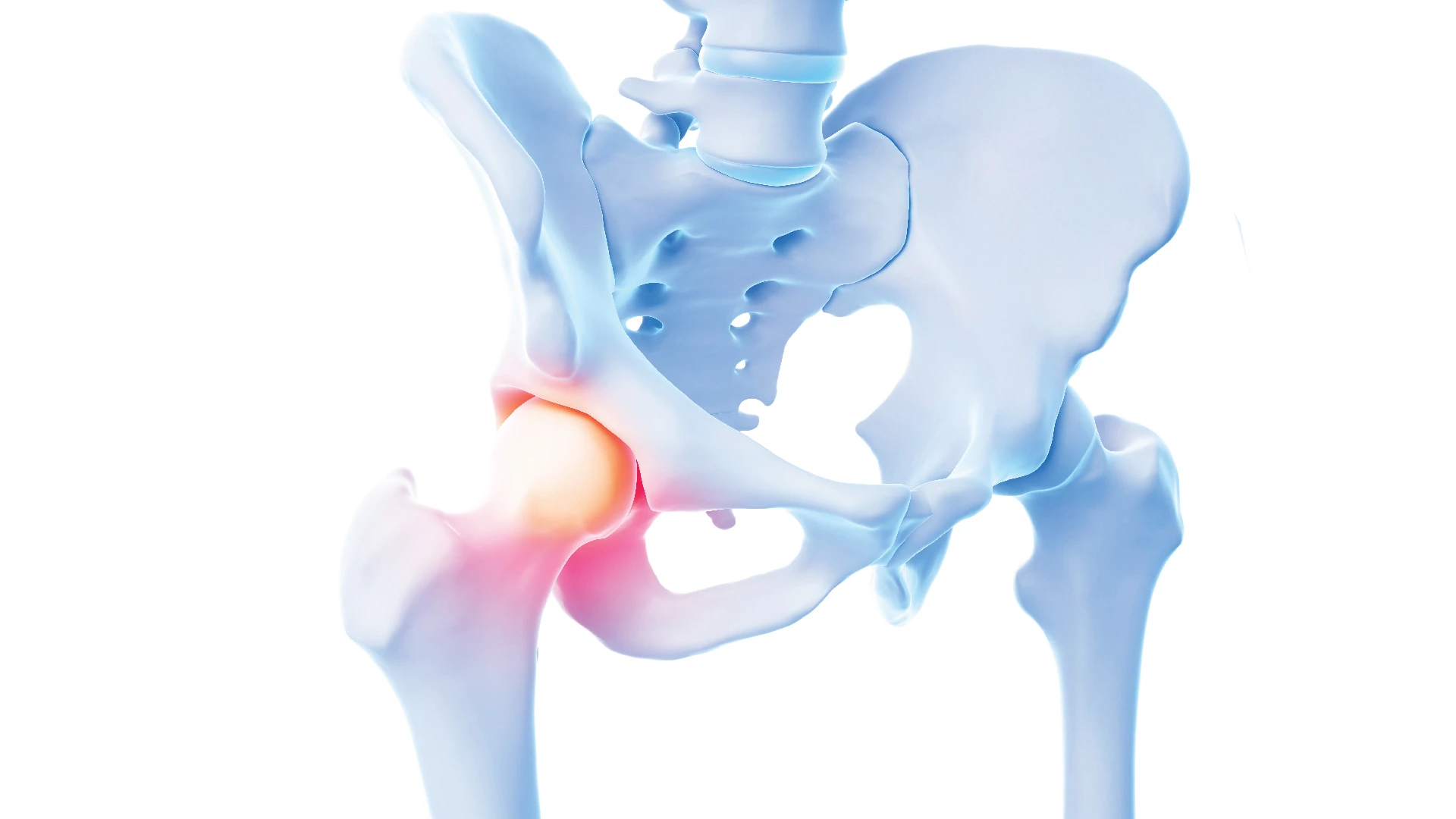
Partial Hip Replacement (Hip Hemiarthroplasty)
Repeated hip-loading activities—such as frequent stair climbing, heavy lifting, or repeated squatting—combined with conditions like osteoporosis or trauma, can accelerate hip joint degeneration. In cases where damage is localized, such as a femoral neck fracture or partial hip deterioration, partial hip replacement can help relieve pain and restore mobility.
Read More
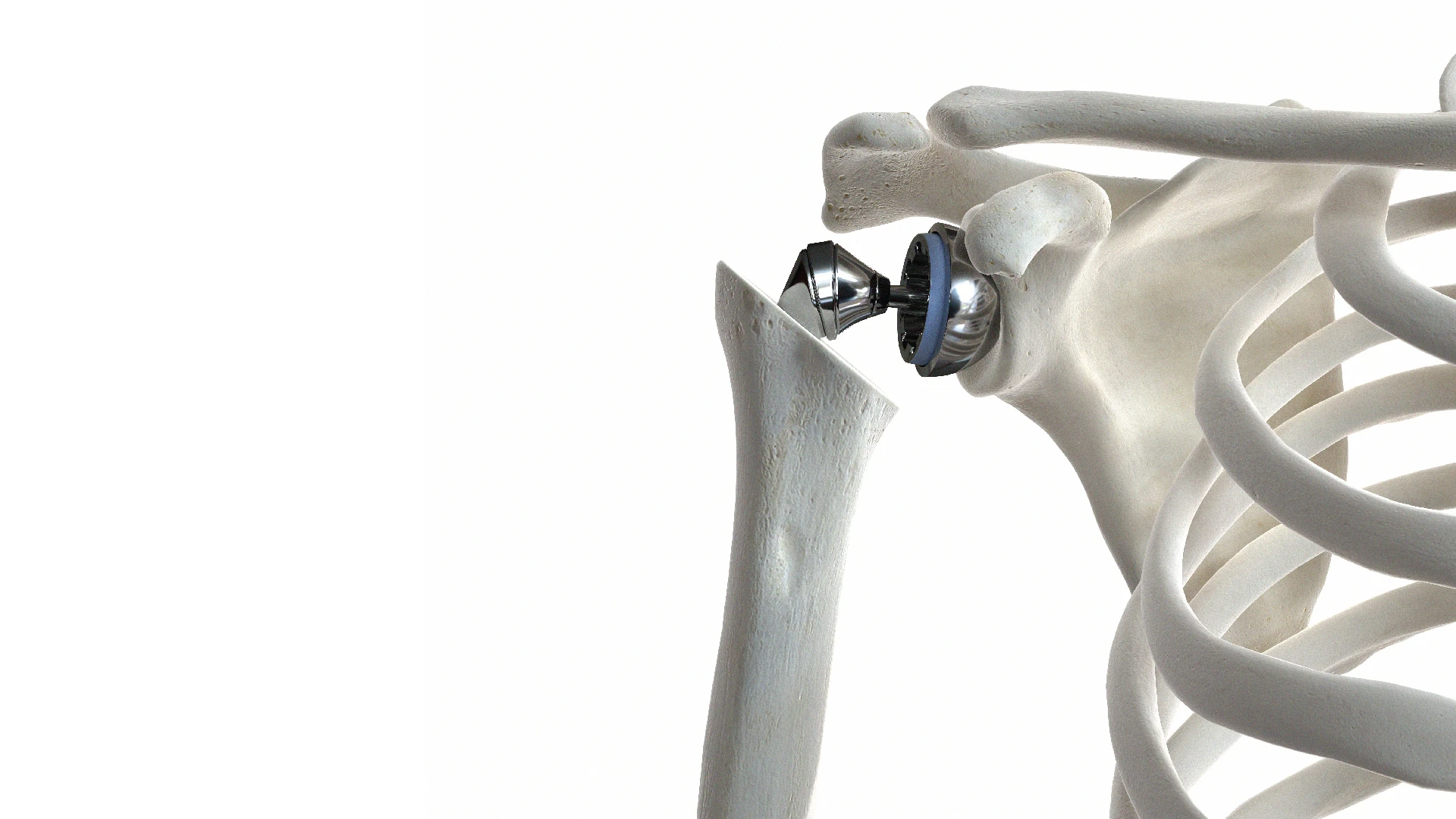
Reverse Total Shoulder Arthroplasty (RTSA)
Patients experiencing shoulder stiffness, limited arm elevation, or deep pain inside the shoulder—especially when reaching, combing hair, or putting on clothes—may be facing rotator cuff tear-related issues. In some severe cases, patients cannot lift their arm at all, even though the arm muscles appear normal. This condition is often caused by a severe rotator cuff tear along with degenerative changes in the shoulder joint, which may result from aging, repetitive shoulder use, or injury. Reverse shoulder arthroplasty has become a promising treatment option to restore mobility and reduce pain in such cases.
Read More



No. 2102/9 Ladprao Road, Wang Thonglang Subdistrict, Wang Thonglang District, Bangkok 10310
Call : +66 2-034-0808


Our Services
Quick Menu
Copyright © 2025 S Spine and Joint Hospital. All right reserved