






5 พฤติกรรมเสี่ยง “นิ้วล็อก” ที่คนทำงานมักมองข้าม


อาการ “นิ้วคลิก” หรือ “ดีดกลับ” ระหว่างใช้งานมือ อาจไม่ใช่เรื่องเล็กอย่างที่คิด เพราะเป็นสัญญาณเริ่มต้นของ “นิ้วล็อก” (Trigger Finger) ภาวะที่เกิดจากเส้นเอ็นบริเวณนิ้วมืออักเสบจนขยับได้ยาก
อาการ “นิ้วคลิก” หรือ “ดีดกลับ” ระหว่างใช้งานมือ อาจไม่ใช่เรื่องเล็กอย่างที่คิด เพราะเป็นสัญญาณเริ่มต้นของ “นิ้วล็อก” (Trigger Finger) ภาวะที่เกิดจากเส้นเอ็นบริเวณนิ้วมืออักเสบจนขยับได้ยาก
หลายคนรู้ว่าเกิดจากการ “ใช้มือหนัก” แต่สิ่งที่หลายคนไม่รู้คือ — แค่พฤติกรรมเล็ก ๆ ในชีวิตประจำวัน ก็เพียงพอให้เกิดนิ้วล็อกได้โดยไม่รู้ตัว
นิ้วล็อกเกิดจากอะไร?
นิ้วล็อก เกิดจากการอักเสบของ “ปลอกเอ็นงอนิ้ว” เมื่อปลอกเอ็นหนาตัวจนช่องทางเส้นเอ็นแคบลง นิ้วจึง “ติด” หรือ “สะดุด” เวลาขยับ
โดยเฉพาะบริเวณโคนนิ้วมือที่มีการใช้งานบ่อยที่สุด
📚นิ้วล็อก รักษาได้ไม่ต้องผ่าตัด แค่รู้ว่าอยู่ระยะไหน
💡 พฤติกรรมที่เสี่ยงทำให้เกิดนิ้วล็อก
เคยรู้สึกไหมว่านิ้วมือฝืด งอไม่สะดวก หรือมีเสียง "กึก" เวลาขยับนิ้ว โดยเฉพาะเมื่อตื่นนอน? อาการเหล่านี้อาจเป็นสัญญาณของภาวะนิ้วล็อก ซึ่งเกิดจากการทำงานของนิ้วมือที่ไม่ราบรื่นเหมือนเดิม
หลายคนไม่รู้ว่าพฤติกรรมในชีวิตประจำวันบางอย่าง ก็เป็นตัวกระตุ้นได้โดยไม่รู้ตัว มาดูกันว่า 5 พฤติกรรมเสี่ยงที่ควรระวังมีอะไรบ้าง
1️⃣ ใช้มือถือหรือพิมพ์คีย์บอร์ดตลอดวัน
การขยับนิ้วซ้ำ ๆ เช่น พิมพ์งาน พิมพ์แชต หรือเล่นมือถือโดยไม่พัก ทำให้เส้นเอ็นและปลอกเอ็นเสียดสีกันตลอดเวลา จนเกิดการอักเสบเรื้อรัง
2️⃣ จับเมาส์หรือใช้เมาส์ผิดท่า
การวางข้อมือในท่าผิด ทำให้เกิดแรงกดต่อปลอกเอ็นนิ้วอย่างต่อเนื่อง โดยเฉพาะในผู้ที่ทำงานคอมพิวเตอร์ตลอดวัน
3️⃣ จับของหนักหรือถือของเป็นเวลานาน
แรงบีบหรือกำของแน่นซ้ำ ๆ เช่น ถือถุงของหนัก ยกของ หรือทำงานบ้าน จะเพิ่มแรงต้านบริเวณปลอกเอ็นและโคนนิ้วมือ
4️⃣ ใช้มือในท่าซ้ำ ๆ เช่น งานช่าง งานเย็บ งานครัว
การใช้ท่ามือแบบเดิมนาน ๆ ทำให้เส้นเอ็นอักเสบเรื้อรัง เช่น จับกรรไกร เย็บผ้า หรือใช้มีดทำครัว
5️⃣ ใช้แรงมากเกินจำเป็นขณะออกกำลังกายหรือเล่นดนตรี
การกำอุปกรณ์แน่นเกินไป เช่น ดัมเบล หรือไม้เทนนิส รวมถึงนักดนตรีที่ใช้นิ้วซ้ำ ๆ อาจเกิดนิ้วล็อกได้เช่นกัน
แล้วถ้าเริ่มรู้สึกสะดุด ควรทำอย่างไร
หากนิ้วเริ่ม “คลิก” หรือเจ็บโคนนิ้วตอนเช้า อย่าปล่อยให้เรื้อรัง เพราะอาจพัฒนาเป็นนิ้วล็อกระยะปานกลางได้ วิธีที่ดีที่สุดคือ พักการใช้งานมือ และพบแพทย์
เฉพาะทางมือเพื่อตรวจวินิจฉัย เนื่องจากการรักษาในระยะต้นมักหายได้โดยไม่ต้องผ่าตัด
“นิ้วล็อกไม่เกิดขึ้นทันที แต่ค่อย ๆ พัฒนาจากพฤติกรรมซ้ำ ๆ ในชีวิตประจำวัน เพียงเริ่มสังเกตอาการ และปรับการใช้งานมือให้ถูกวิธี คุณก็สามารถป้องกัน
นิ้วล็อกได้ตั้งแต่วันนี้”
โรงพยาบาลเฉพาะทางด้านกระดูกสันหลังและข้อ
 02 034 0808
โรงพยาบาลเฉพาะทางด้านกระดูกสันหลังและข้อ
02 034 0808Read More
 Share
Share

 Copied link to clipboard
Related Services
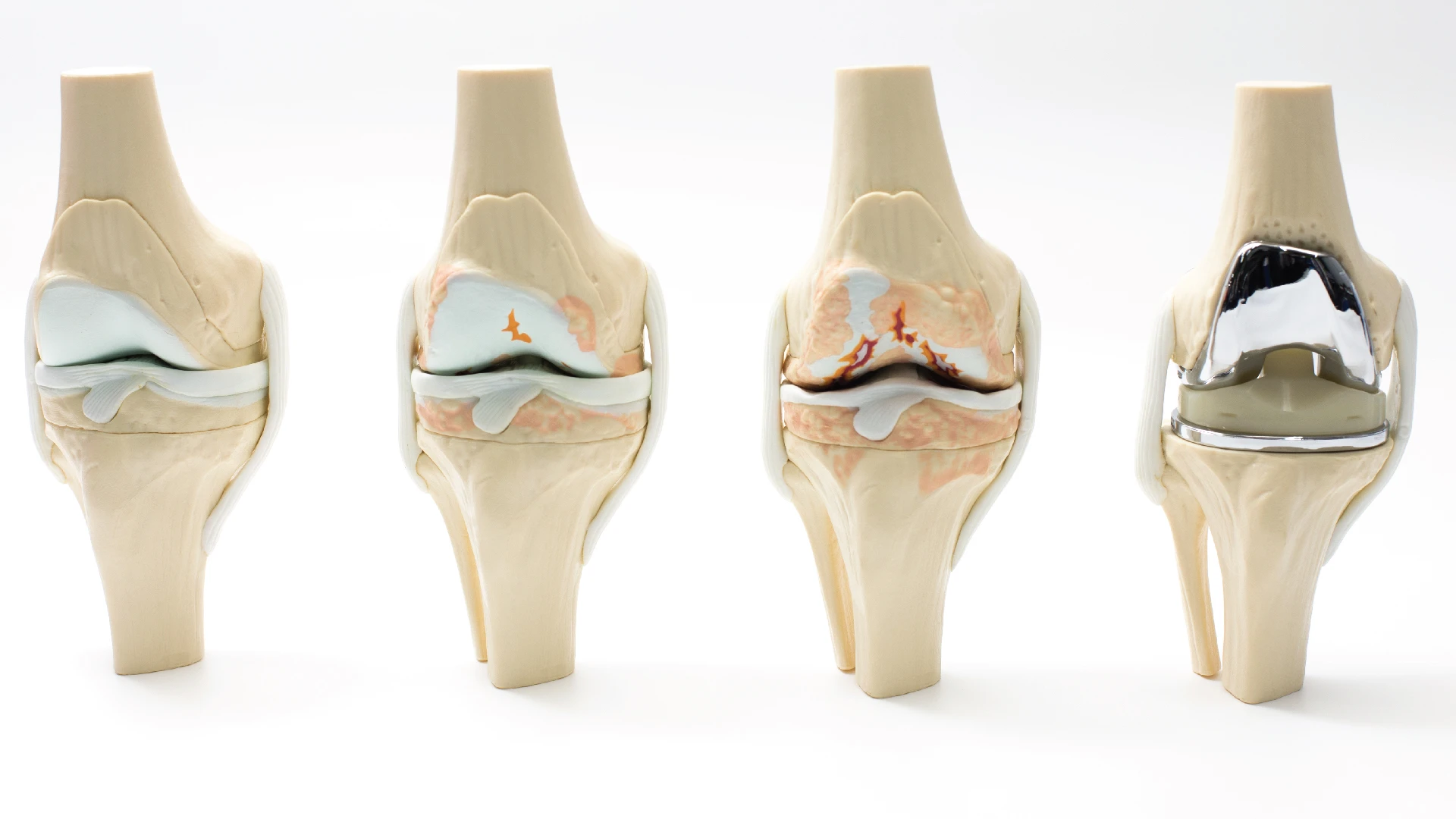
Total Knee Arthroplasty (TKA)
Patients with severe knee osteoarthritis who suffer from chronic pain and limited mobility that interferes with daily life may be considered for total knee replacement (TKA). This procedure helps restore joint function and improves mobilityShape
Read More
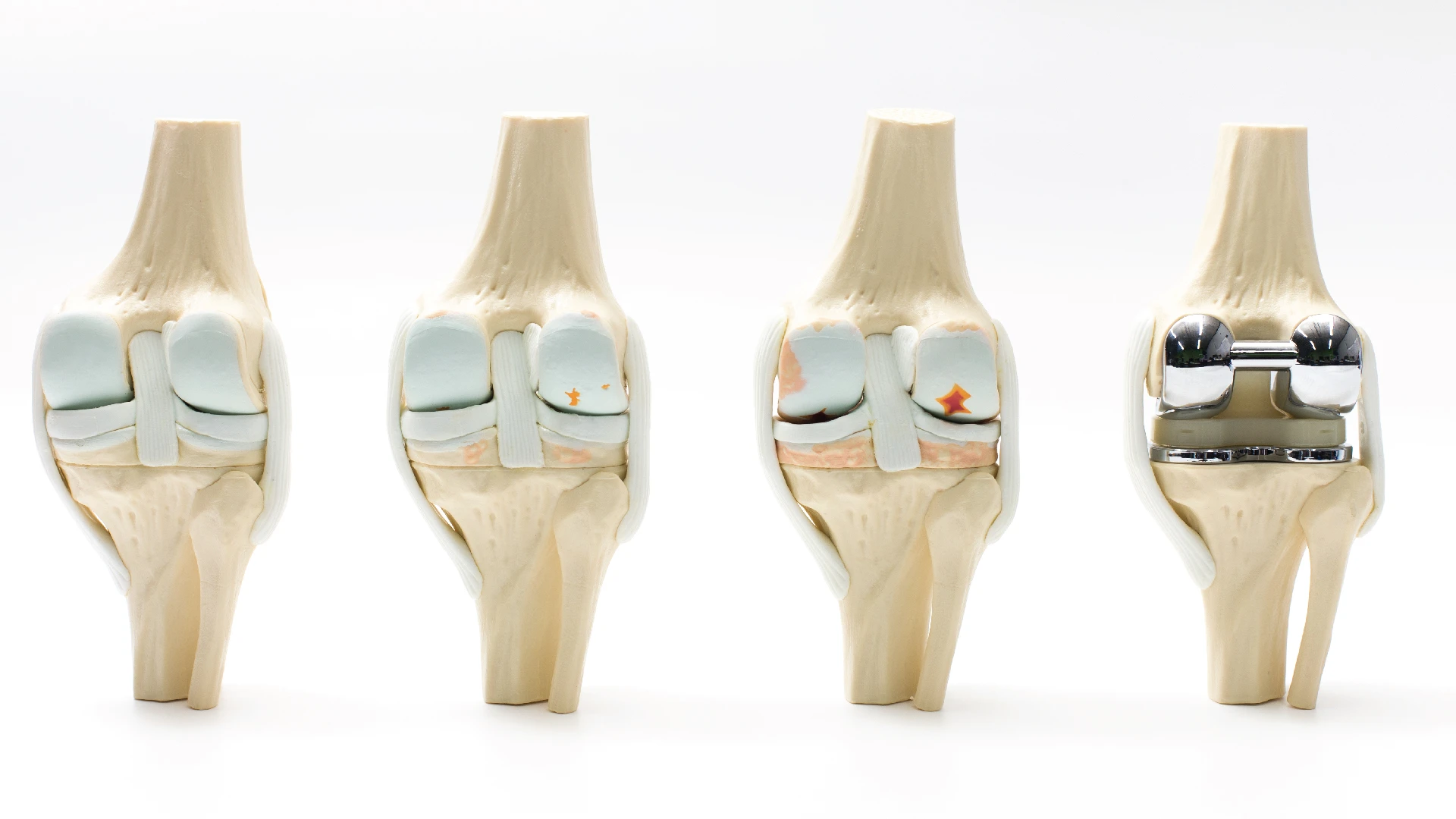
Partial Knee Replacement (UKA)
Partial knee replacement involves removing and replacing only the damaged compartments of the knee. Partial knee replacement surgery is also referred to as uni-compartmental knee replacement. Only a piece of the knee is resurfaced with metal and medical grade plastic components in uni-compartmental knee replacement. For individuals whose illness is restricted to only one part of the knee, this technique serves as an alternative to complete knee replacement.
Read More
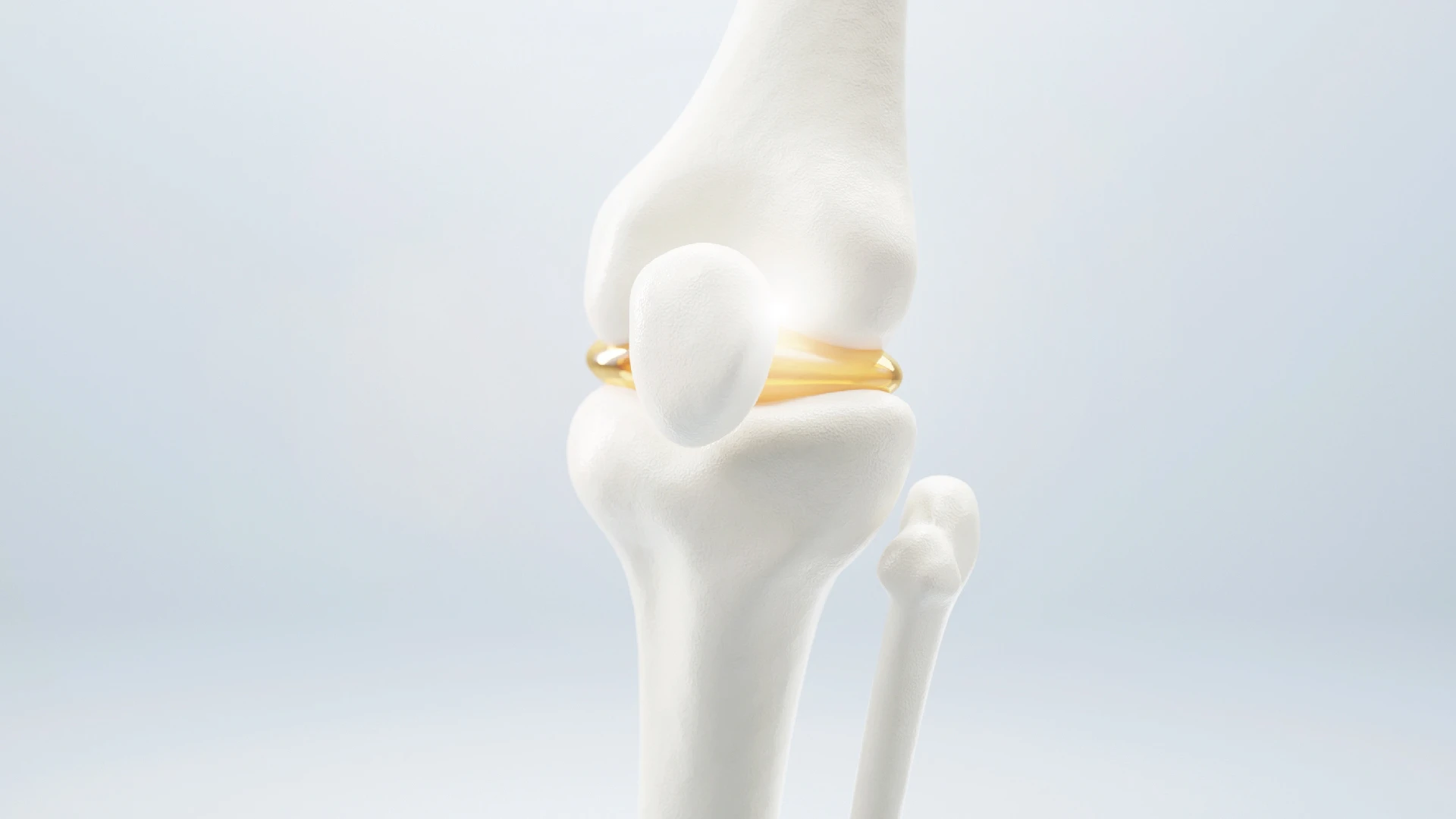
Meniscus Repair
Meniscus repair is performed for patients who suffer from injuries to the meniscus, often caused by falls or repetitive knee movements that lead to tearing. The procedure helps restore the function of the meniscus, reduce pain, and prevent the progression to osteoarthritis in the long term.
Read More
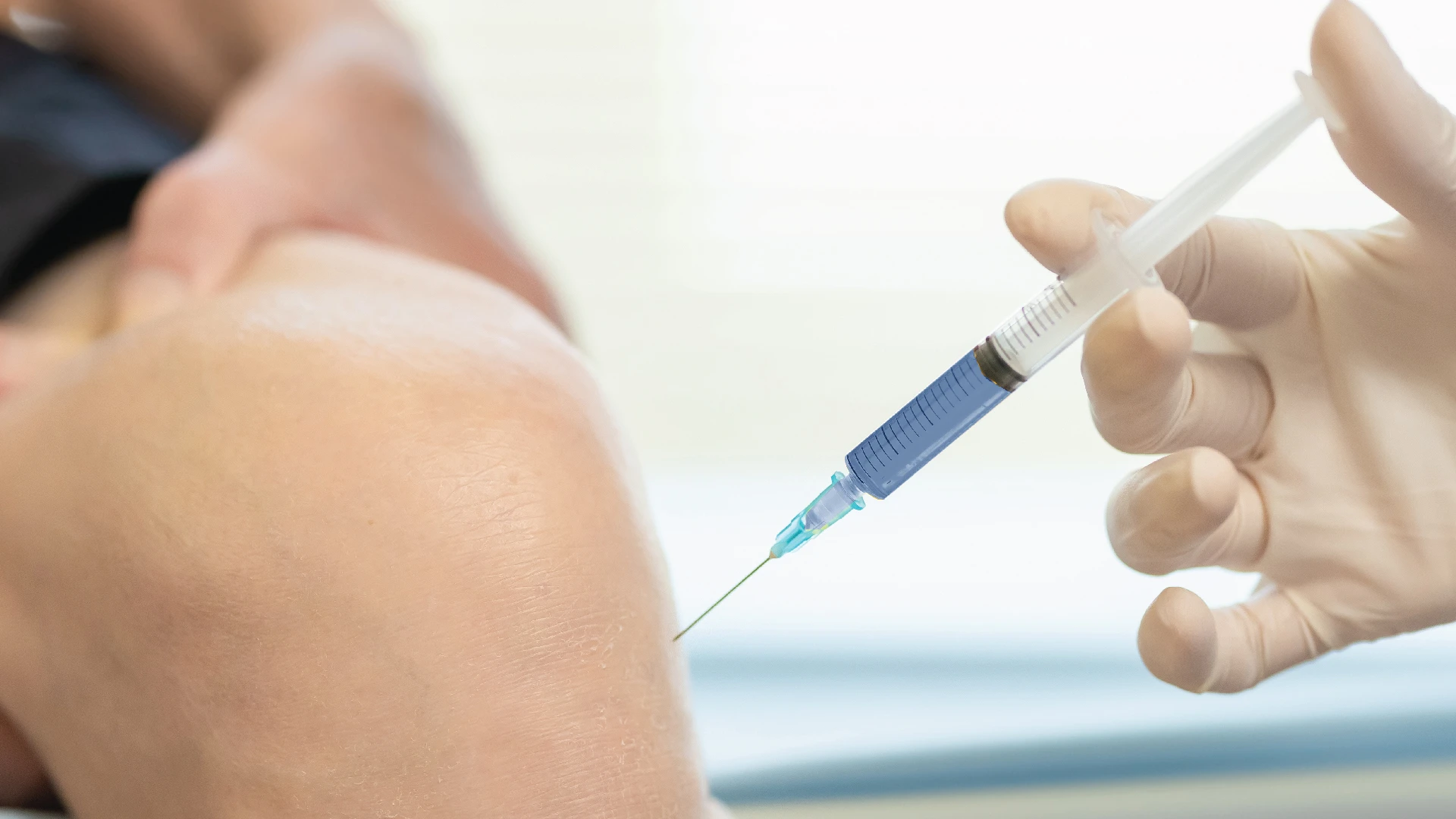
Platelet-Rich Plasma Injection (PRP)
Platelet-Rich Plasma (PRP) injection is a treatment option for patients with early-stage knee osteoarthritis or knee joint injuries. The method involves using the patient’s own highly concentrated platelets to stimulate the growth of new cells and repair damaged tissues, helping to restore joint strength and function.
Read More
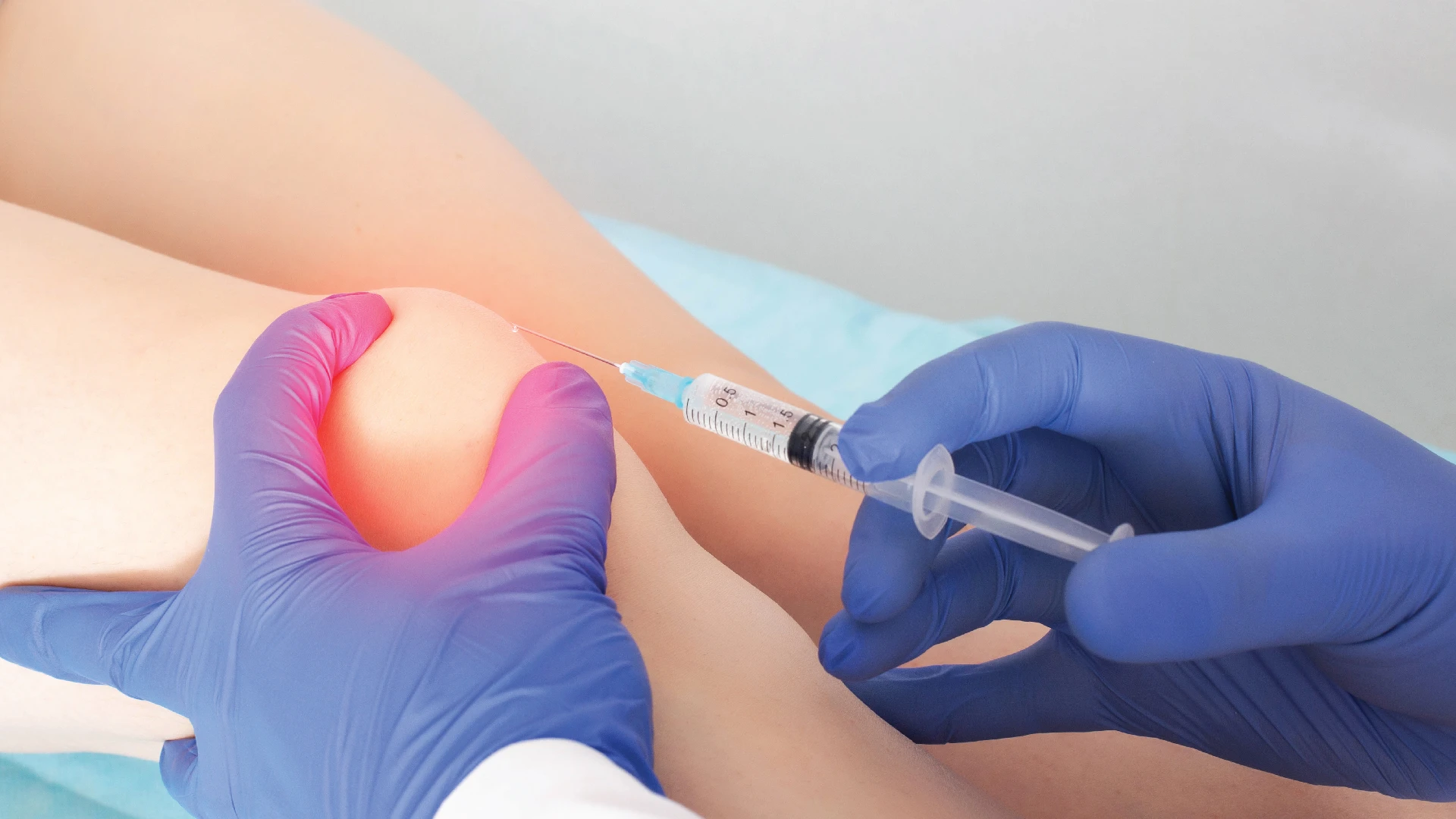
Hyaluronic Acid Injection (HA)
Early-stage knee osteoarthritis often presents with stiffness, discomfort, or intermittent pain and swelling. Symptoms typically improve with rest but worsen with increased joint use. Hyaluronic acid injection is a suitable treatment for early osteoarthritis, enhancing joint lubrication and reducing the friction that causes pain.
Read More
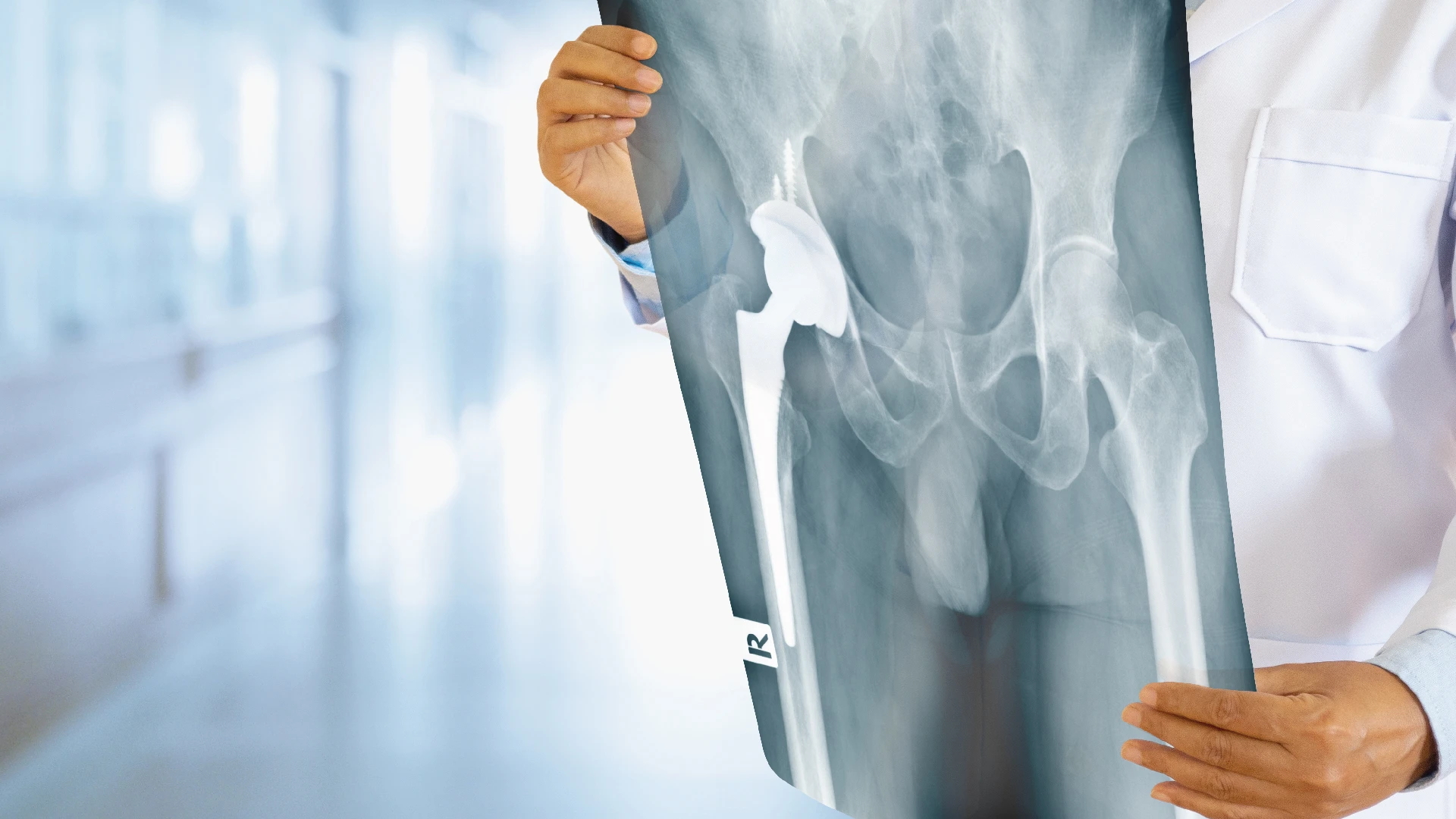
Total Hip Arthroplasty (THA)
A total hip replacement involves replacing the ball and socket of the hip joint. A prosthetic head on a shaft is used to replace the femoral head, and a synthetic joint surface is used to line the acetabulum surface. The average surgical operation lasts between one to two hours. How closely you adhere to the home care recommendations provided by your Orthopedic surgeon in the initial weeks following surgery will have a significant impact on the outcome of your procedure.
Read More
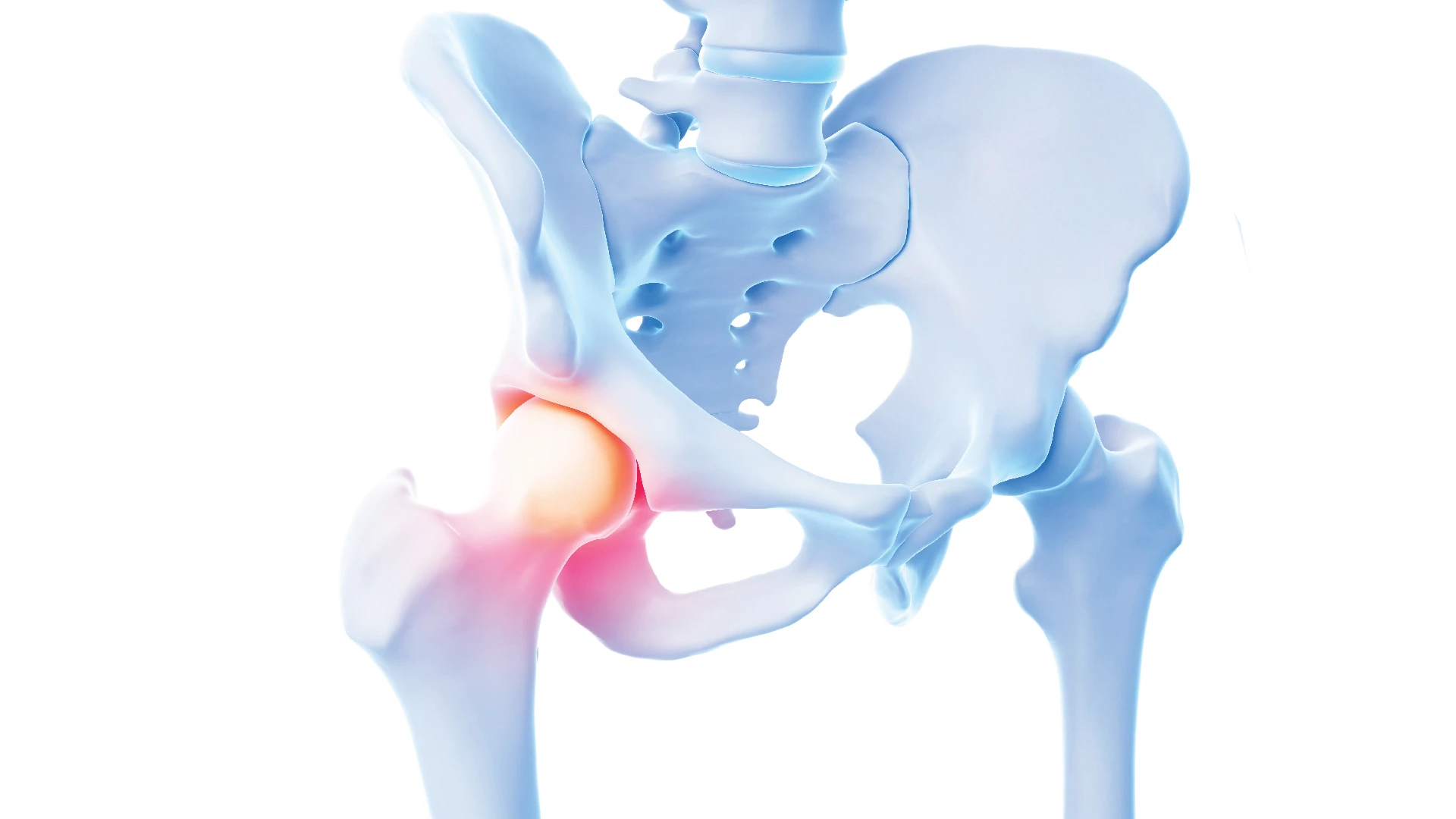
Partial Hip Replacement (Hip Hemiarthroplasty)
Repeated hip-loading activities—such as frequent stair climbing, heavy lifting, or repeated squatting—combined with conditions like osteoporosis or trauma, can accelerate hip joint degeneration. In cases where damage is localized, such as a femoral neck fracture or partial hip deterioration, partial hip replacement can help relieve pain and restore mobility.
Read More
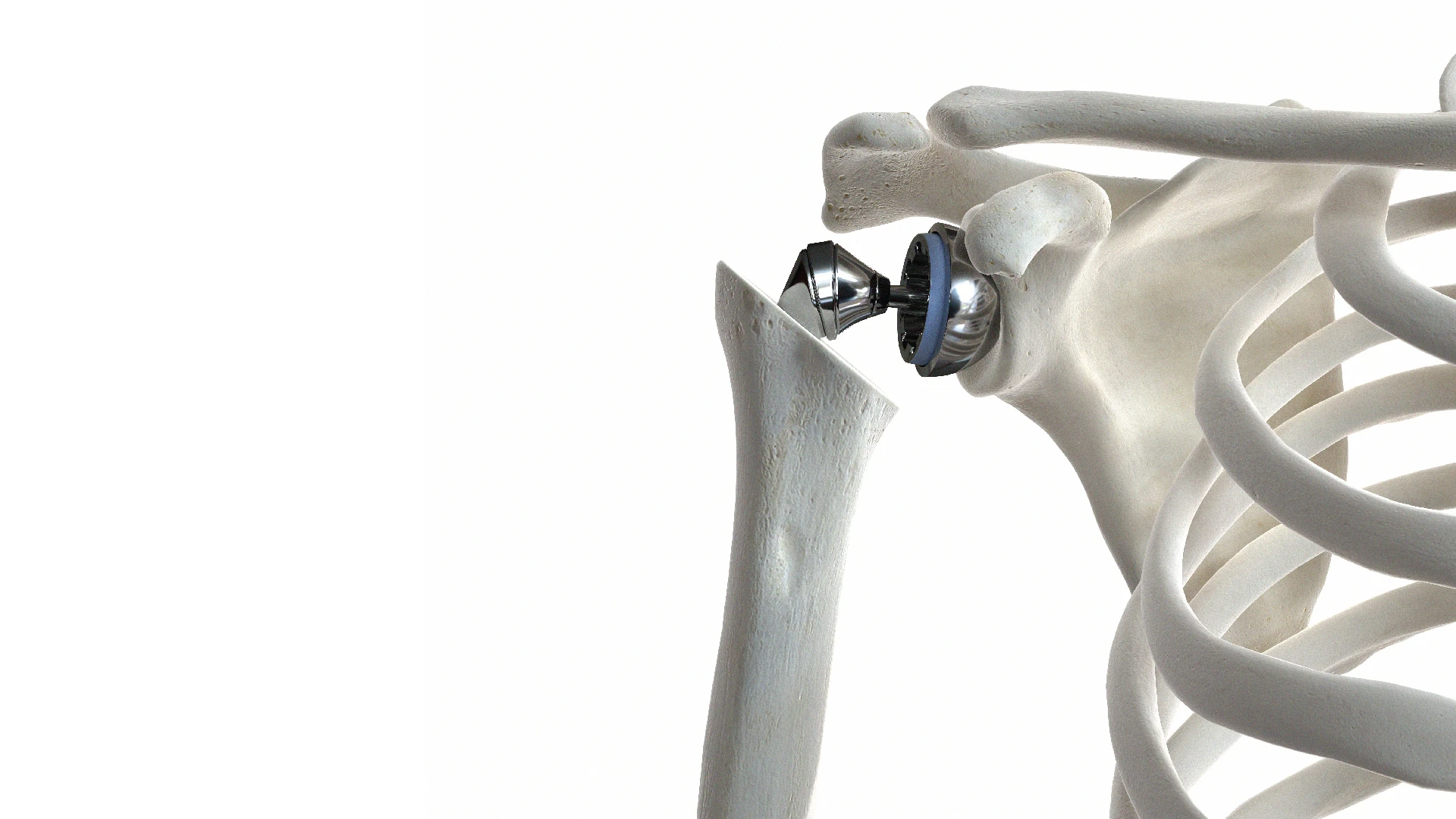
Reverse Total Shoulder Arthroplasty (RTSA)
Patients experiencing shoulder stiffness, limited arm elevation, or deep pain inside the shoulder—especially when reaching, combing hair, or putting on clothes—may be facing rotator cuff tear-related issues. In some severe cases, patients cannot lift their arm at all, even though the arm muscles appear normal. This condition is often caused by a severe rotator cuff tear along with degenerative changes in the shoulder joint, which may result from aging, repetitive shoulder use, or injury. Reverse shoulder arthroplasty has become a promising treatment option to restore mobility and reduce pain in such cases.
Read More


No. 2102/9 Ladprao Road, Wang Thonglang Subdistrict, Wang Thonglang District, Bangkok 10310
Call : +66 2-034-0808


Our Services
Quick Menu
Copyright © 2025 S Spine and Joint Hospital. All right reserved